
Description
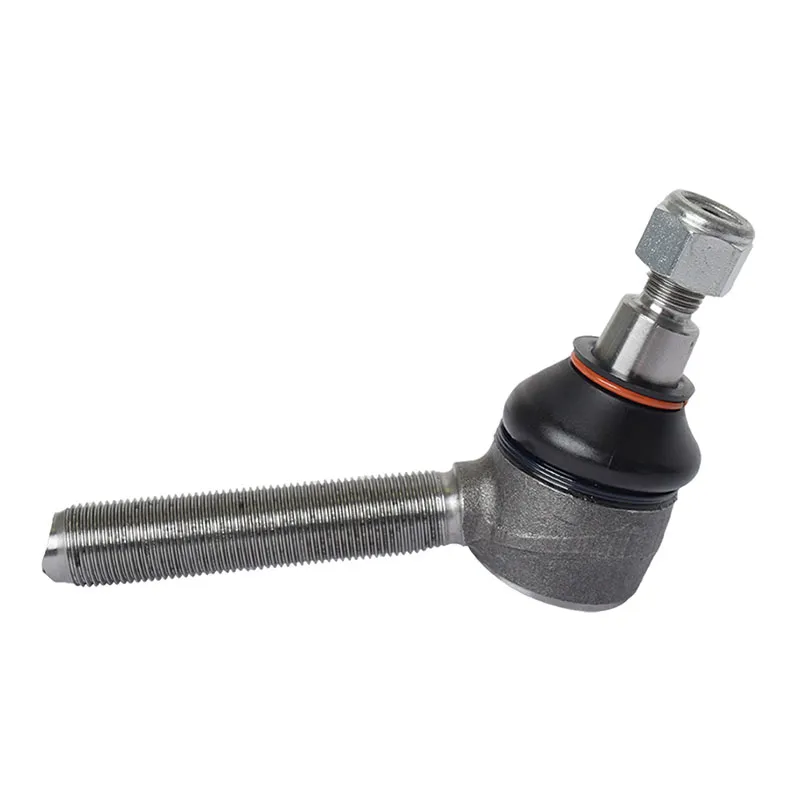
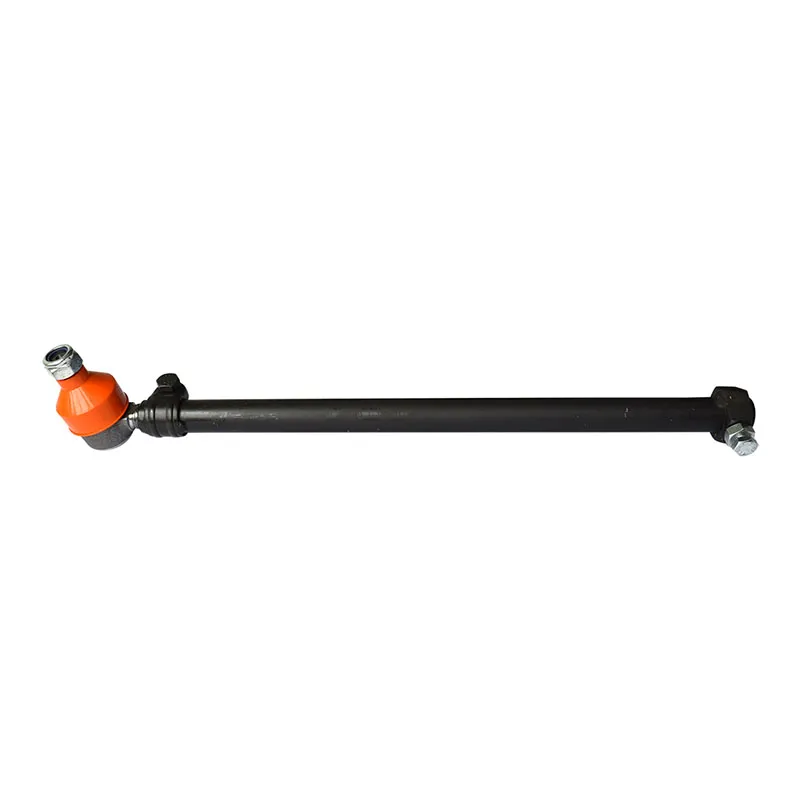
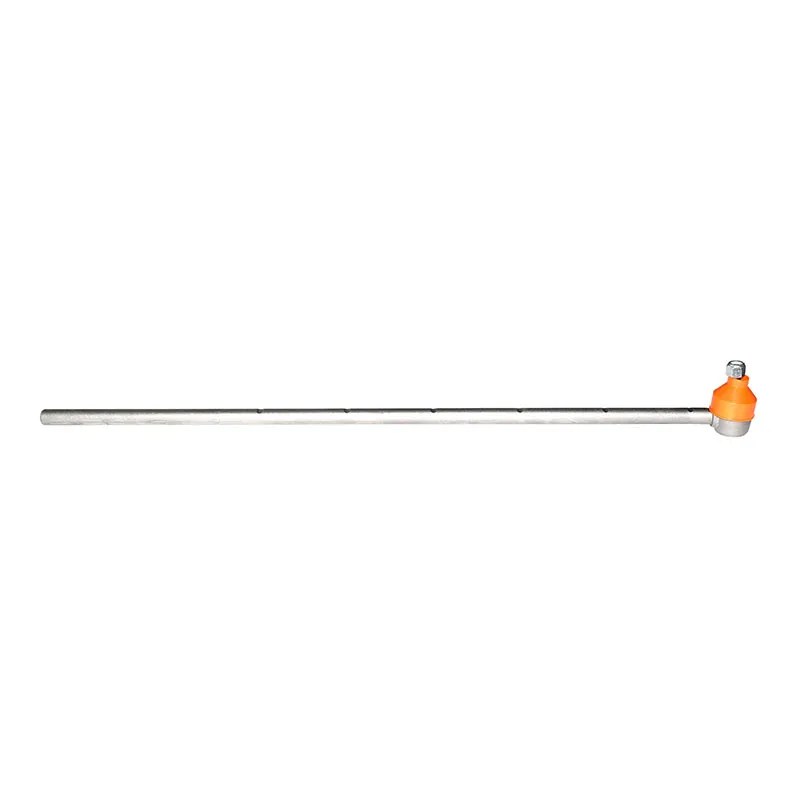
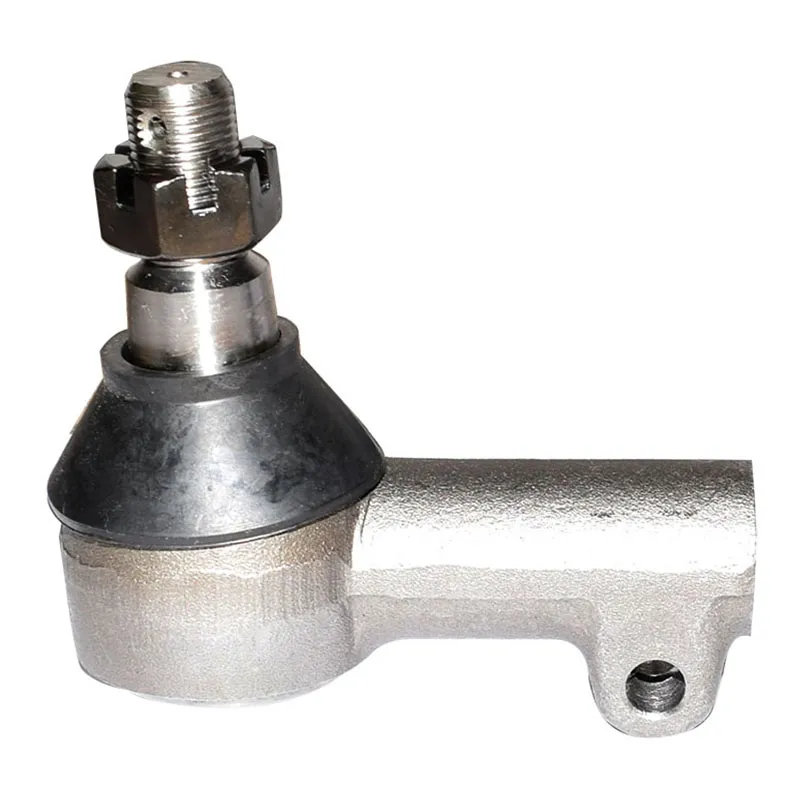
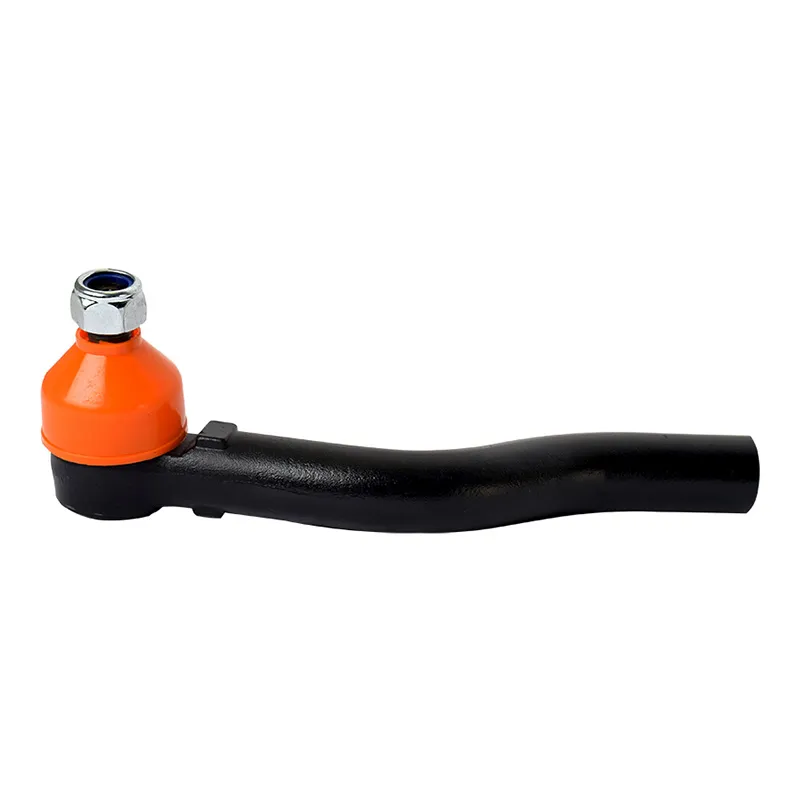
When your tractor starts pulling to one side or the steering feels loose and sloppy, chances are good that track rod end is telling you it’s worn out. As a critical component of the steering linkage system, this track rod end translates steering wheel input into precise front wheel movement, providing the responsive control needed for safe operation. This rear track rod end gets your Ford’s steering back to feeling tight and predictable, whether you’re working in tight quarters around the barn or making straight passes across the field.
What You’re Getting
- Heavy-duty ball joint construction that handles the constant movement and loads from steering inputs
- Quality steel components built to withstand the bumps, vibration, and weather that come with farm work
- Threaded design allows for proper adjustment to maintain correct steering geometry
- Direct replacement that fits the original mounting points – no modifications needed
Built for Real Farm Work
Your Ford Dexta, 2000, 3000, or 4000 series tractor might be compact, but it’s probably one of the hardest working machines on the farm. These versatile tractors handle everything from mowing and cultivation to loader work and transport duties. The rear track rod end is constantly working as you maneuver around obstacles, back up to implements, or maintain straight lines during fieldwork. When it wears out, every steering input becomes a wrestling match.
Made to Last
The track rod end is subjected to constant stress from steering forces, road shock, and implement loads, making quality construction essential for reliable operation. This replacement uses materials and construction designed to handle these demanding conditions while providing the smooth operation your Ford’s steering system needs for responsive control.
Installation Notes
Always replace track rod ends in pairs to maintain proper steering geometry and tire wear patterns. Use proper torque specifications during installation and verify steering alignment after replacement. It’s good practice to inspect the entire front-end while you’ve got things apart – worn components often cause premature failure of new parts.
Reviews
There are no reviews yet.