
Description
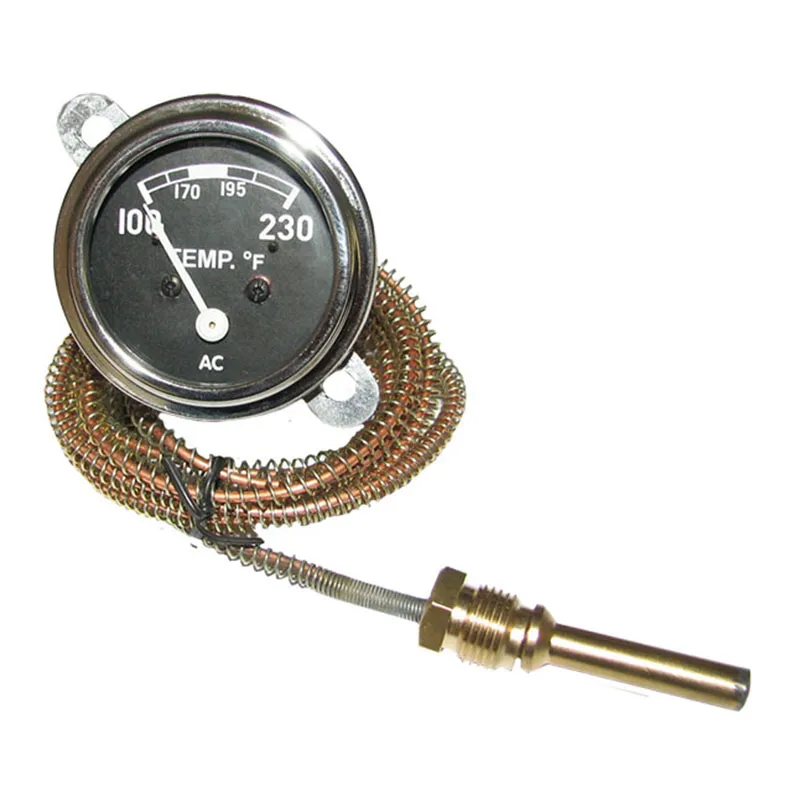
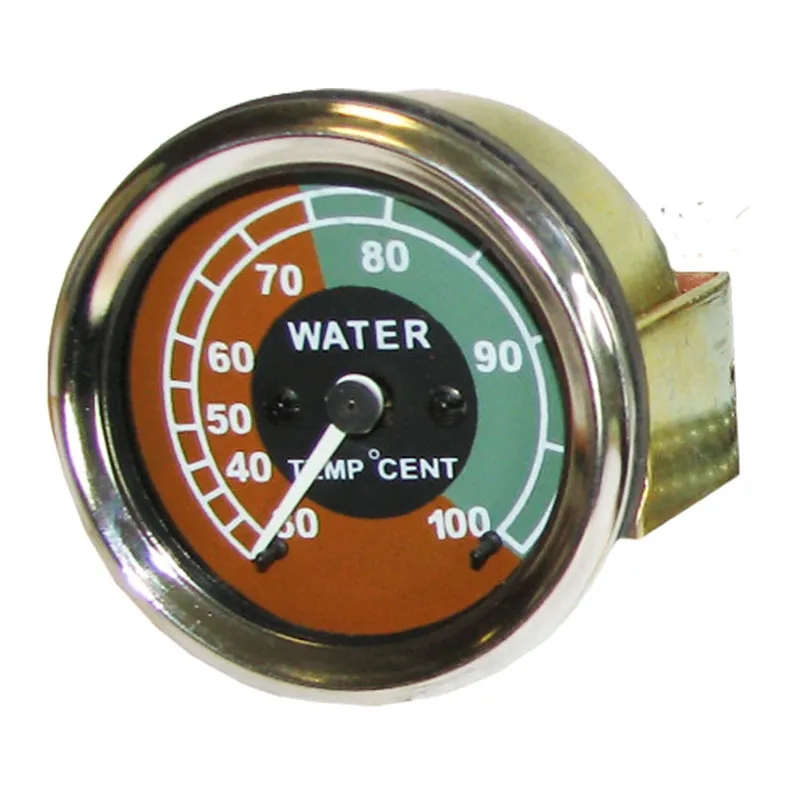
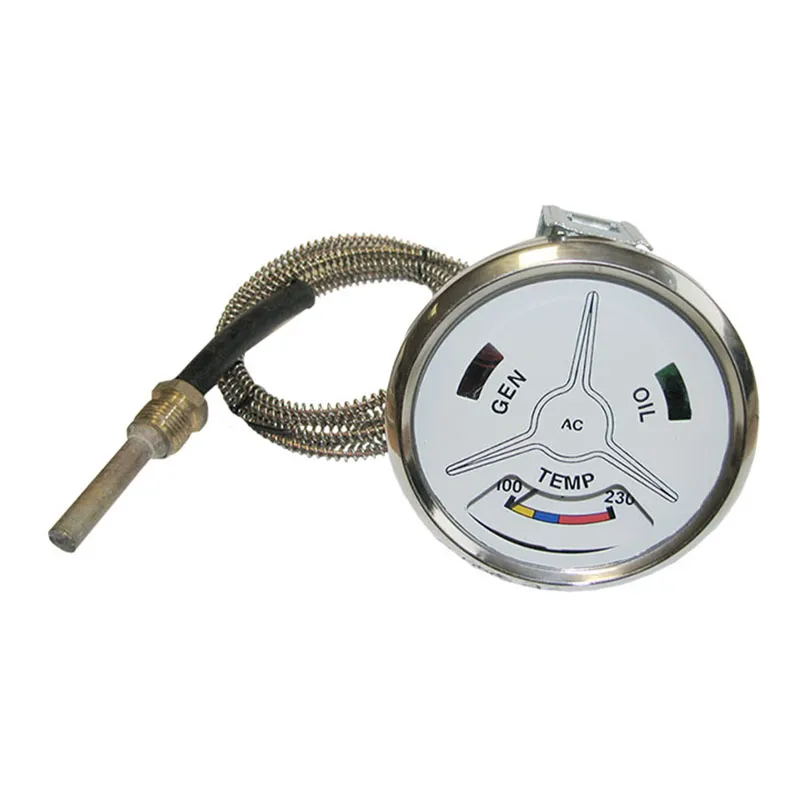
When you’re putting in a long day running your Fordson Major and that temperature gauge starts acting up—sticking, giving wonky readings, or just plain quit working—you’re flying blind on one of the most important things happening under the hood. Running blind without a working temperature gauge is like farming with your eyes closed – you won’t know there’s a problem until steam starts billowing from under the hood. Whether you’re baling on a scorching summer day or pushing snow in winter, you’ll spot cooling issues before they turn into cracked heads or seized engines. This replacement gauge gets your temperature monitoring back where it should be.
What You’re Getting
- Clear, easy-to-read dial that shows you exactly what’s happening with engine temperature
- Direct replacement that fits right into your original dashboard mounting—no modifications needed
- Accurate readings across the full temperature range, calibrated for your Fordson’s cooling system
- Heavy-duty construction built to handle the vibration and temperature swings of farm work
- Works with your existing temperature sender and wiring harness
Built for Real Farm Work
Whether you’re running a Fordson Major series or a David Brown from the 900 through 1400 series, these tractors share similar fuel systems that demand clean fuel. These 45-95 HP workhorses are known for reliability, but their mechanical injection systems have zero tolerance for contamination. These classic British tractors from the 1940s through 1960s were built to work, and they’re still earning their keep on farms today. Whether you’re cultivating, baling hay, or running a loader, keeping an eye on engine temperature is critical.
Made to Last
This temperature gauge is your first alert when something’s not right – maybe the thermostat’s sticking, the radiator’s getting plugged with chaff, or that water pump’s finally giving up. Catching these issues early means the difference between a $20 thermostat replacement and a $5,000 engine rebuild. The gauge mechanism is built to give you years of reliable service, just like the original that came on your tractor decades ago.
Installation Notes
Installing this gauge is a straightforward job that most folks can handle in about 30 minutes. First, disconnect your battery to avoid any electrical surprises. The gauge typically mounts with a threaded ring from behind the dash – access is usually tight, but patience pays off. Take a photo of your wire connections before removing the old gauge—it’ll save you headaches later. The gauge should read cold at startup and gradually climb as the engine warms up.
Reviews
There are no reviews yet.