
Description
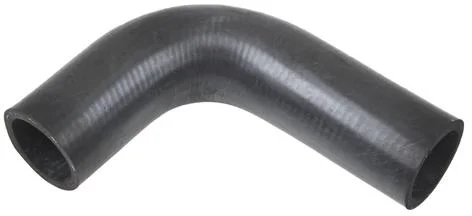
When that temperature gauge starts climbing or you notice coolant leaking from the top of the radiator, it’s usually that upper hose telling you it’s had enough. You’ll notice problems starting with gradually rising temperatures under load, mysterious coolant loss, or visible leaks leaving puddles under your tractor. This TISCO upper radiator hose keeps the coolant flowing properly between your engine and radiator, preventing the overheating that can turn a simple hose replacement into an expensive engine rebuild.
What You’re Getting
- Direct replacement that fits like the original – no cutting or adapting needed
- Heavy-duty rubber construction that handles the heat cycling from cold starts to full operating temperature
- Reinforced walls that won’t collapse under vacuum when the engine draws coolant
- Pre-formed shape maintains proper clearances from hot engine parts and moving components
Built for Real Farm Work
This hose serves the dependable MF165 and MF255 tractors that have been earning their keep on farms for decades. Whether your 165 is running a brush hog through summer heat or your 255 is pulling heavy implements through tough ground, proper cooling keeps these utility workhorses running strong. The industrial 3165 uses this same hose, proving its durability in demanding applications.
Made to Last
This hose is made from rubber compounds that can handle the heat cycling between cold morning starts and hot afternoon field work. The reinforced walls won’t collapse when the engine creates vacuum, which can happen with worn-out or universal hoses. It’s built to withstand the constant temperature swings and pressure changes that destroy cheap alternatives.
Good to Know
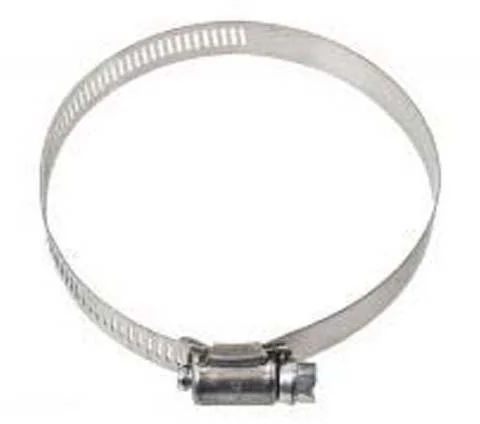
Replacing this hose is a straightforward job that’ll take about 20 minutes with basic tools. Let the engine cool completely first – nobody wants to wrestle with hot hoses. The old hose might be stuck pretty good after years of heat cycles, so a little twisting while pulling usually does the trick. Clean the connection points before installing the new hose, and make sure the clamps are tight but not over-tightened (crushed hoses don’t last long).
Reviews
There are no reviews yet.