Description
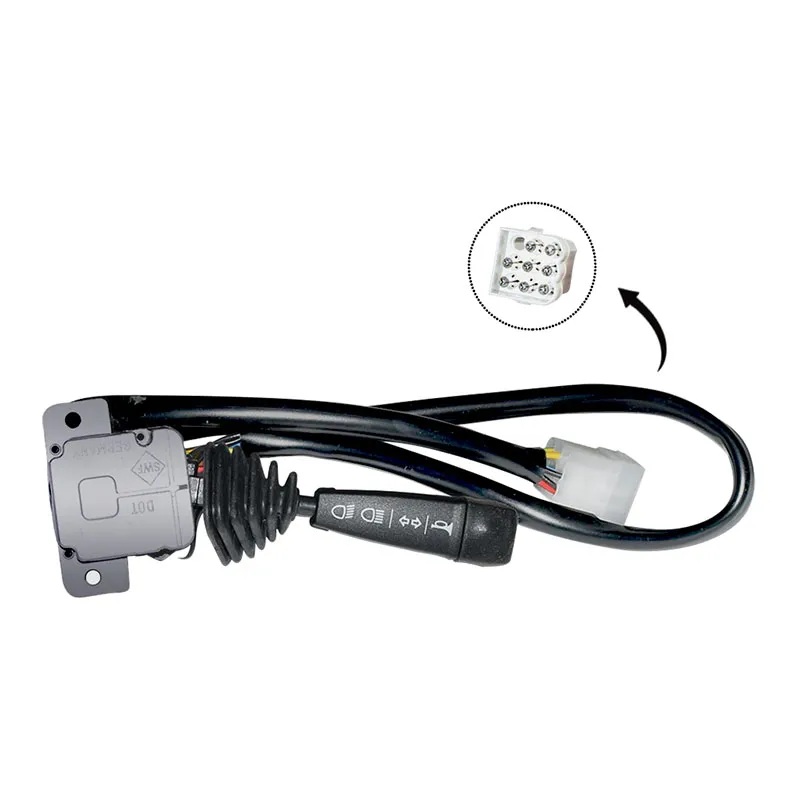
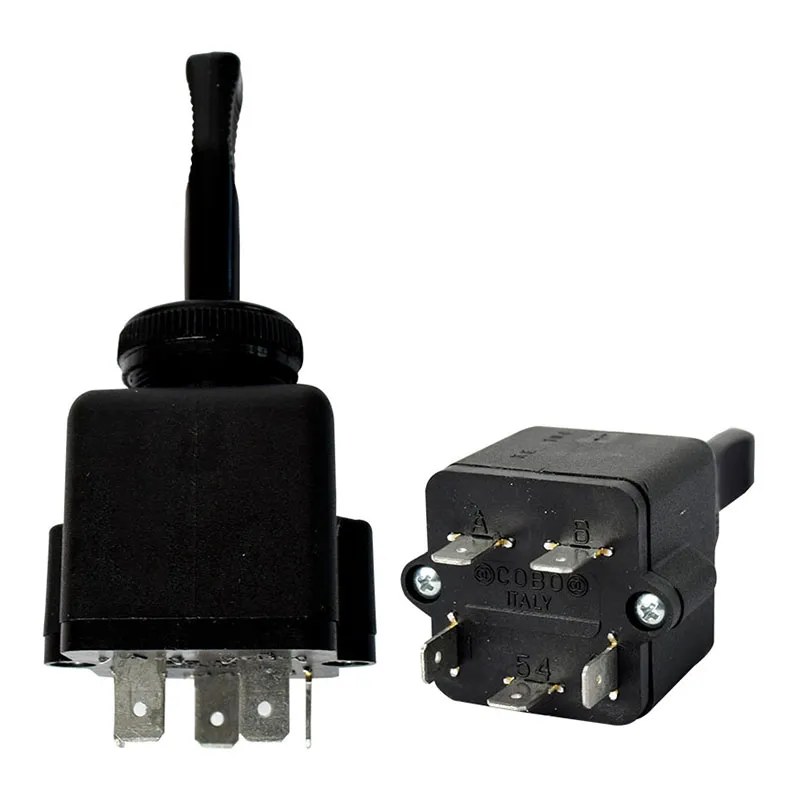
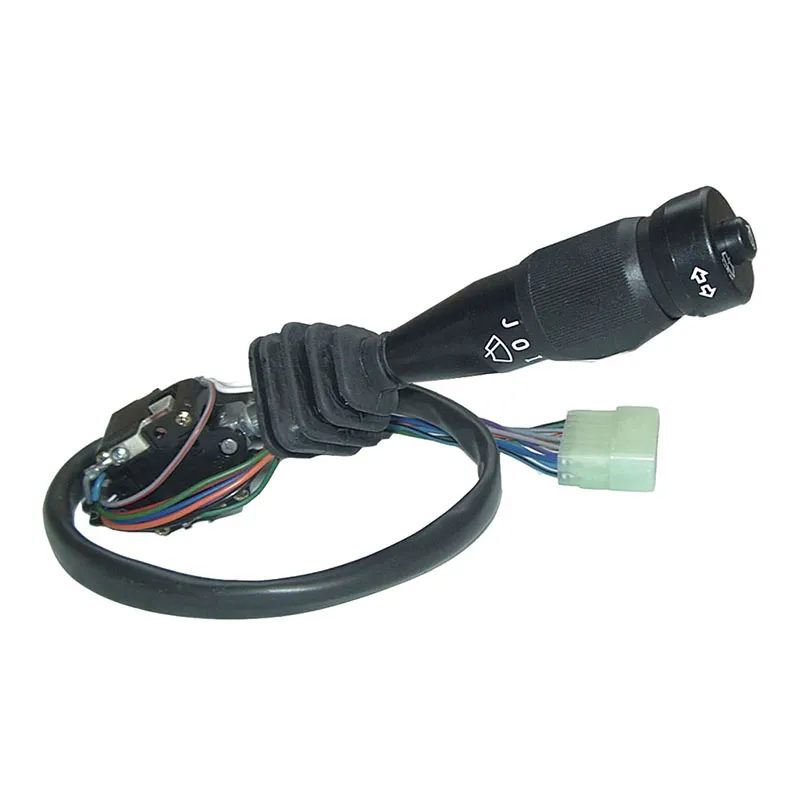
Nothing’s worse than realizing your turn signals have quit working when you’re heading down a busy county road with a loaded grain cart behind you. These mid to high-horsepower tractors frequently travel on public roads between fields, making proper turn signal and hazard light operation critical for traffic safety. This replacement switch gets your 40 Series tractor road-legal again and keeps you safe when moving equipment or making those harvest runs to the elevator.
What You’re Getting
- Direct replacement for your original switch – no modifications needed
- Controls both left and right turn signals with that familiar click when you flip it
- Built-in hazard warning function for when you need to be extra visible
- Self-canceling design on most models saves you from driving with the signal blinking
- Electronic flasher units provide superior reliability compared to older thermal-mechanical units, offering consistent flash rates regardless of bulb load or temperature variations.
Built for Real Farm Work
Ford New Holland 40 Series tractors including models 5640, 6640, 7740, and 7840 manufactured up to April 1997 are the backbone of many farming operations. Whether you’re moving hay equipment between fields, hauling grain to town, or pulling wagons during harvest, these tractors spend serious time on public roads where working turn signals aren’t just helpful – they’re the law. From your utility 5640 running a loader to the bigger 8340 pulling doubles to the grain elevator, they all need reliable indicator lights.
Made to Last
This switch is engineered to handle the constant vibration, dust, and electrical demands that would kill a regular automotive switch in short order. The internal contacts are heavy-duty enough to handle your tractor’s larger indicator bulbs, and the housing is built to resist the temperature swings and moisture that come with outdoor equipment storage.
Installation Notes
Swapping this switch typically takes 20-30 minutes if you’re comfortable with basic electrical work. The trickiest part is usually getting to it behind the dash panel. Always disconnect your battery first to avoid any electrical surprises, and check those wire connections for corrosion while you’re in there. Test all functions – left, right, and hazard – before you hit the road to make sure everything’s working properly.
Reviews
There are no reviews yet.