
Description
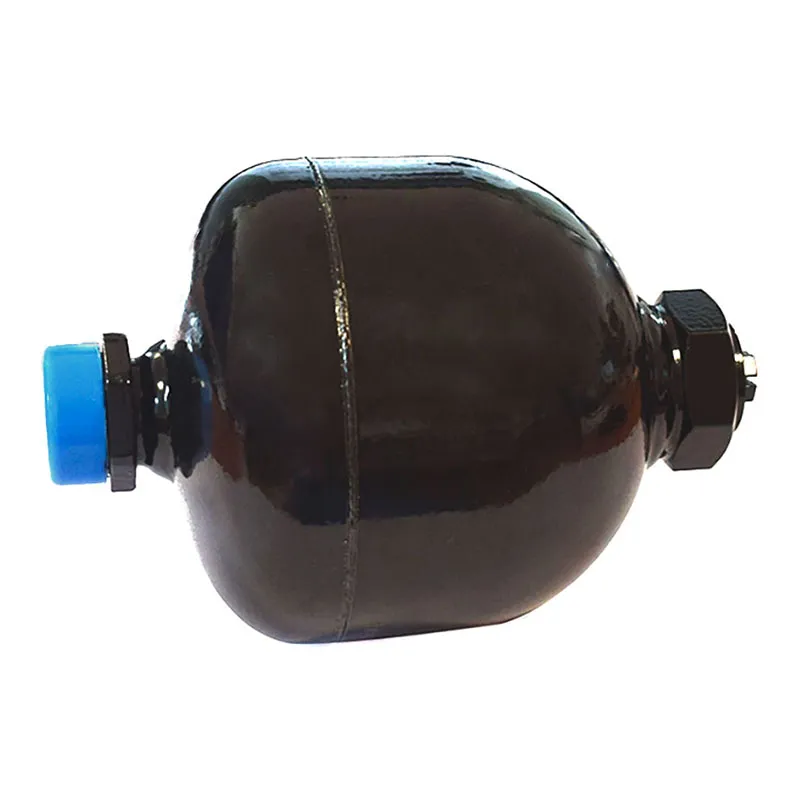
When you’re dealing with transmission problems like jerky shifts, slow response, or that hunting feeling when the gears can’t make up their mind, there’s a good chance your transmission accumulator is the culprit. This little pressure storage tank might be small, but it plays a huge role in keeping your transmission shifting smooth and your hydraulics working right. When it starts to fail, you’ll know it—and so will anyone riding with you.
What You’re Getting
- High-pressure design handles up to 180 bar with a 10 bar preload for consistent performance
- Three-quarter liter capacity stores enough hydraulic fluid to smooth out pressure spikes and drops
- Gas-charged system maintains steady pressure even when temperatures swing from morning chill to afternoon heat
- Precision M28 x 1.5 threading for a secure, leak-proof installation that won’t vibrate loose
- Heavy-duty construction built to handle the constant pressure cycling that comes with real farm work
Built for Real Farm Work
This accumulator fits the Ford New Holland workhorses that handle the heavy lifting on farms—from the versatile 40 and 60 series tractors perfect for medium-sized operations, to the bigger TL, TM, and TS series machines that tackle the demanding field work and transport jobs. Whether you’re running a loader, pulling tillage equipment, or spending long days on the PTO, this part keeps your transmission happy under changing loads.
Made to Last
Farm equipment doesn’t get babied, and this accumulator is built to take whatever you dish out. The gas-charged design keeps working through temperature swings, and the robust construction handles the vibration and pressure changes that come with real farm work. It’s engineered to give you the same reliability as the original equipment.
Installation Notes
This is a direct replacement that threads right in where your old accumulator came out. The high system pressures mean you’ll want to be careful during installation—if you’re not comfortable working with hydraulics under pressure, it’s worth having your mechanic handle this one. Make sure the precharge pressure is set correctly for optimal performance, and don’t forget to check for leaks once everything’s back together.
Reviews
There are no reviews yet.