
Description
There’s nothing quite like the sinking feeling when your trusty International or Case IH diesel starts acting up right in the middle of work season. One minute it’s purring along, the next it’s coughing, losing power, or worse—leaving you stranded in the field. Nine times out of ten, when these older diesels start acting up, the culprit is a worn-out fuel lift pump that’s no longer doing its job of pulling fuel from the tank and feeding your injection pump.
What You’re Getting
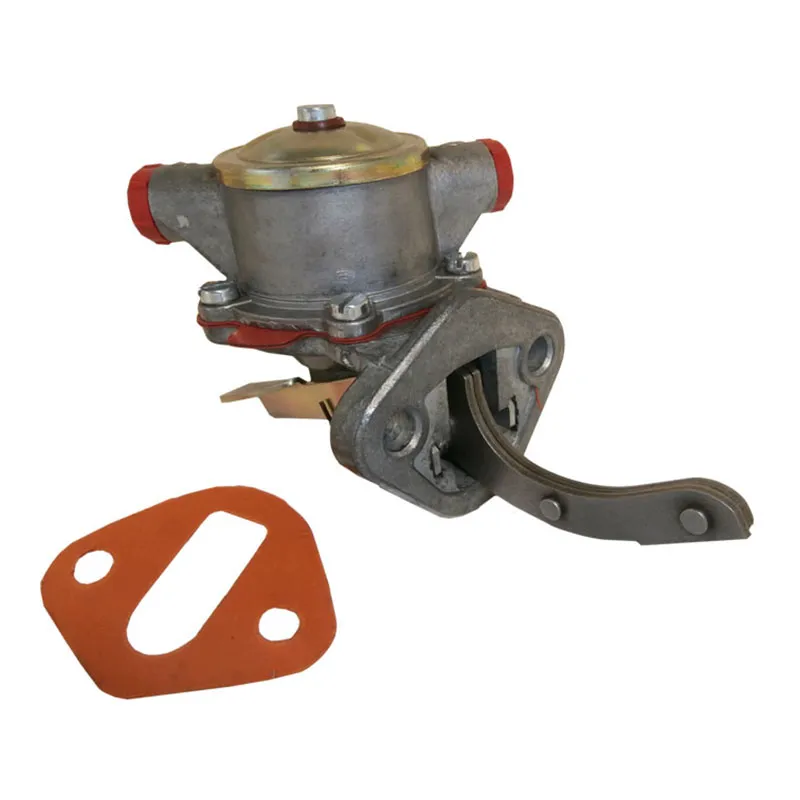
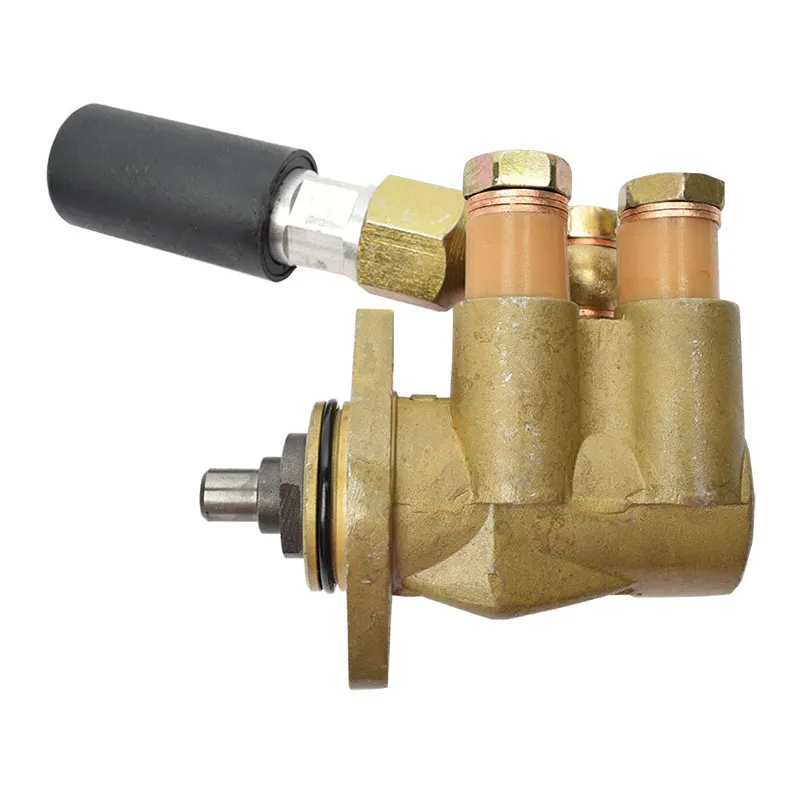
- Direct replacement that bolts right on—no modifications needed for your B275, 414, 434, or 454
- Mechanical diaphragm design driven by your engine’s camshaft for reliable operation
- Built-in priming lever makes bleeding the system after filter changes a breeze
- Delivers consistent fuel pressure to keep your injection pump happy and prevent costly damage
- Includes the mounting gasket so you won’t have any leaks when you’re done
Built for Real Farm Work
These pumps work around the clock in tractors that have been earning their keep for decades. Whether your International is running a hay baler, pulling a cultivator, or your Case IH is pushing snow or running a loader, this pump keeps fuel flowing no matter how hard you’re working the engine. It prevents air from sneaking into the system and maintains steady pressure from idle speed all the way up to full throttle.
Made to Last
Unlike electric pumps that can quit without warning, this mechanical pump is driven directly by your engine and built to handle the constant cycling that comes with long days in the field. The reinforced diaphragm stands up to diesel fuel and temperature swings, while precision check valves ensure fuel only flows one direction.
Installation Notes
This pump typically takes 30-60 minutes to swap out, and while you’re at it, it’s smart to replace all your fuel filters and check your fuel lines for cracks. If your old pump died, take a minute to figure out why—dirty fuel or clogged filters will kill the new one just as fast. The priming lever is your friend when bleeding air out of the system, but work it slowly and steadily to avoid damaging the diaphragm.
Reviews
There are no reviews yet.