
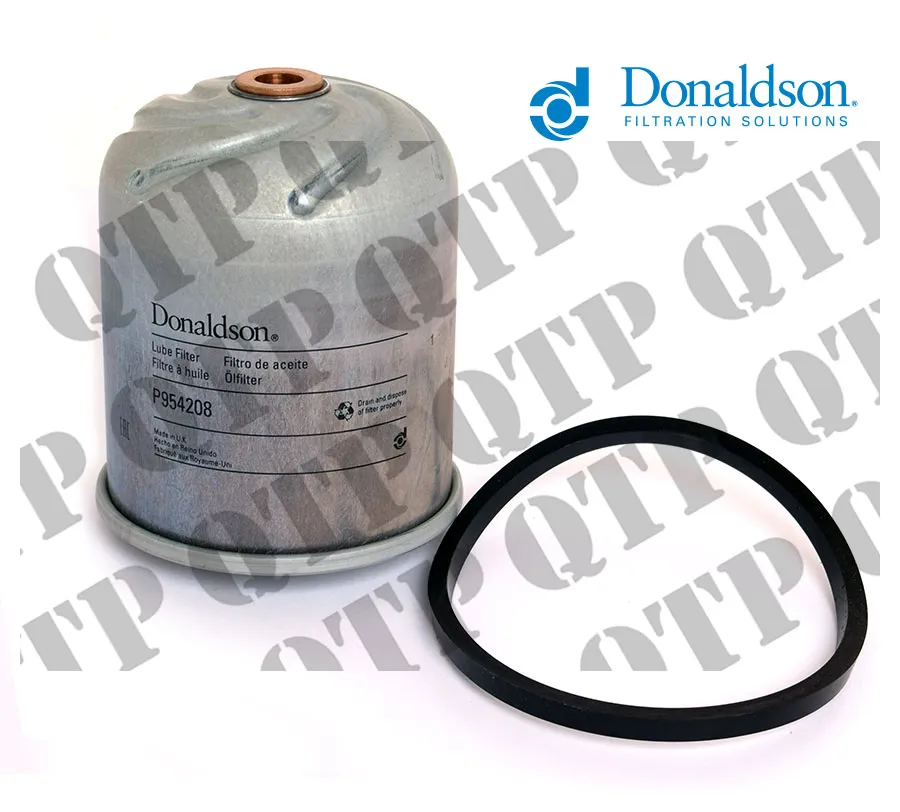
Description
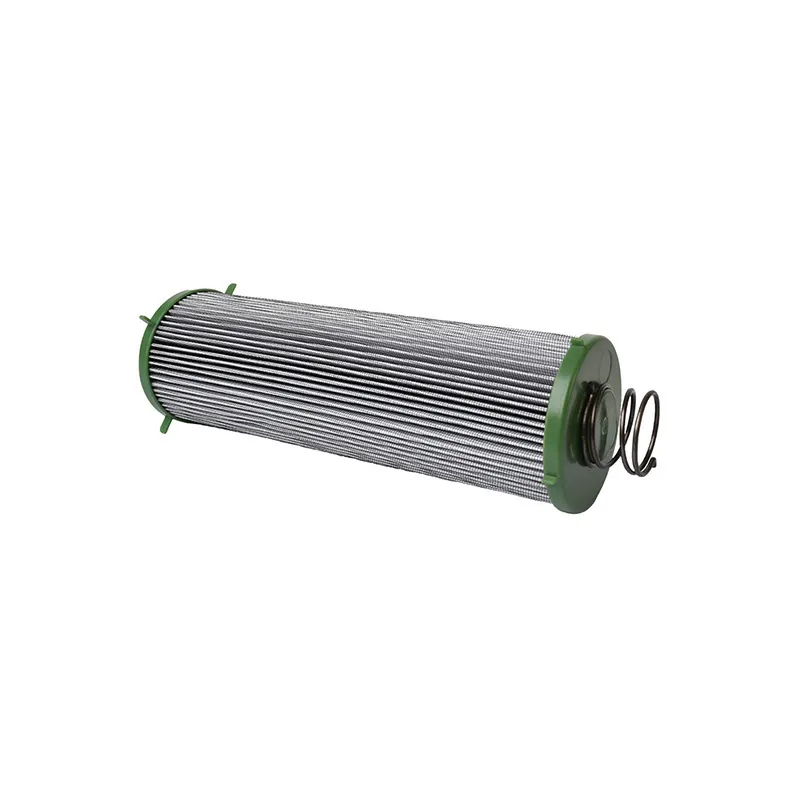
When your hydraulic system starts acting sluggish or you notice the three-point hitch isn’t responding like it used to, there’s a good chance your hydraulic filter is doing its job a little too well – it’s caught so much contamination that it’s restricting flow. A fresh hydraulic filter keeps your system running smooth and protects those expensive pumps and valves from the dirt and metal particles that can turn a simple repair into a major overhaul.
Key Features
- High-efficiency filtration media captures contaminants down to microscopic levels while maintaining proper flow rates
- Heavy-duty construction withstands the pressure spikes and flow surges that happen during normal hydraulic operation
- Quality materials resist breakdown from hydraulic fluid and temperature extremes you’ll encounter in the field
- Direct replacement design fits right into your existing filter housing with no modifications needed
- Built to OEM specifications so you know you’re getting the same protection your tractor came with
Built for Real Farm Work
This filter is designed for Massey Ferguson tractors across multiple series – from the versatile 4200 models handling daily farm chores to the powerful 4300 and 5300 series tractors tackling heavy field work. Whether you’re running a front-end loader that puts constant demand on the hydraulic system, operating implements that require precise hydraulic control, or doing heavy lifting where hydraulic reliability can’t be compromised, this filter keeps your system working when you need it most.
Made to Last
Farm hydraulic systems operate under tough conditions – dust, temperature swings, and high pressures that can exceed 3000 PSI. This filter is engineered to handle it all while maintaining its filtration efficiency. The robust filtration media won’t collapse under pressure, and the housing materials resist corrosion from hydraulic fluids, ensuring consistent protection season after season.
Installation Notes
Installation involves partially draining the hydraulic system and replacing the old filter element. Always relieve system pressure before starting work and use clean hydraulic fluid when refilling. Check the old filter for excessive metal particles or unusual debris that might indicate other system issues – it can tell you a lot about what’s happening inside your hydraulics. Change filters every 500 hours or annually, whichever comes first, and more frequently if you’re working in dusty conditions.
Reviews
There are no reviews yet.