
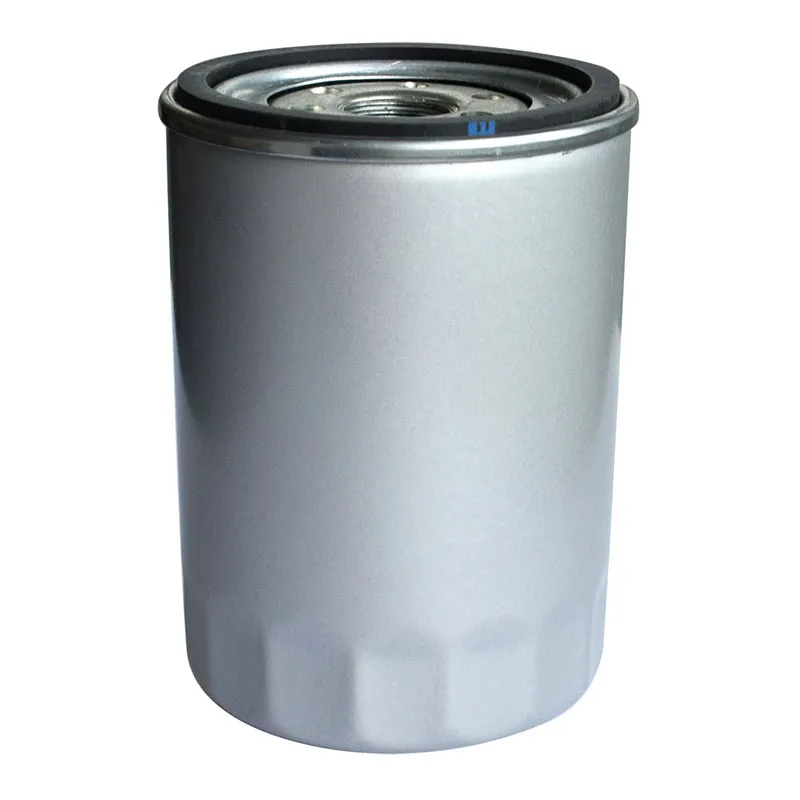
Description
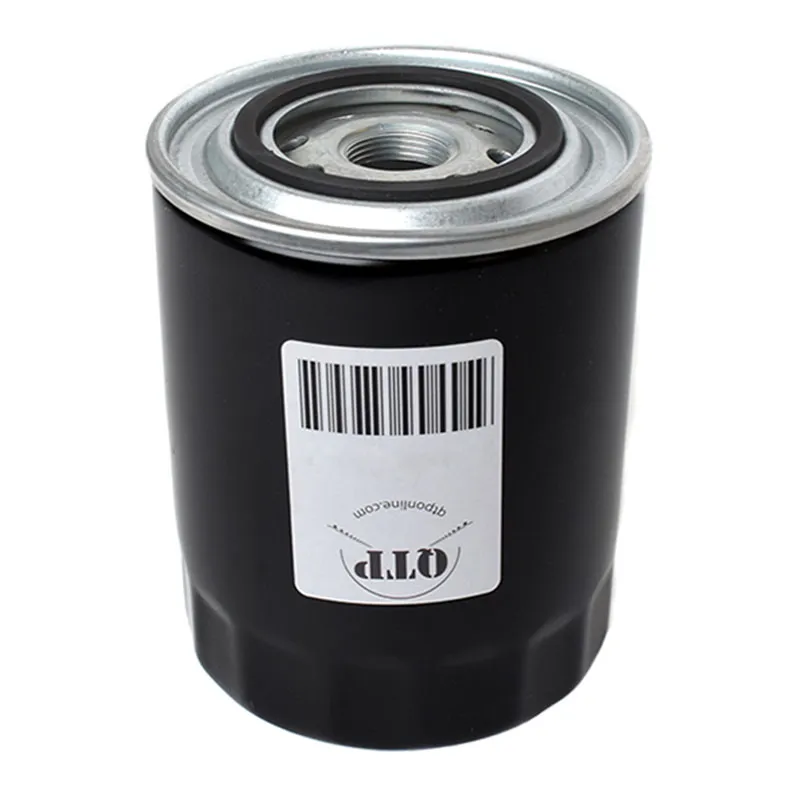
When you’re running an excavator twelve hours a day, clean oil isn’t just nice to have—it’s what keeps that expensive diesel engine running strong. Most EX100 engine failures trace back to air filtration problems. That “expensive” filter is cheap insurance compared to a rebuild. The same truth applies to your oil filter. This engine oil filter keeps metal particles, dirt, and combustion byproducts out of your engine’s vital components, protecting the investment you’ve got running in that machine.
What You’re Getting
- Spin-on design for quick and clean filter changes during routine service
- High-quality filtration media that captures contaminants while maintaining proper oil flow
- Heavy-duty construction built to handle the constant vibration and pressure cycles of excavator work
- Anti-drain back valve ensures oil stays in the filter when the engine’s shut down, preventing dry starts
Built for Real Excavator Work
Whether you’re digging basements with an EX100-2, loading trucks with an EX100M-3, or handling demolition with an EX100-5, these machines work in the worst possible conditions for air quality. Every bucket of dirt stirred up creates clouds of dust that would destroy an unprotected engine in hours. Your oil filter works just as hard, dealing with the metal particles and combustion deposits that come with running a hard-working diesel engine in tough conditions.
Made to Last
This isn’t some automotive filter adapted to fit – it’s designed specifically for the punishment excavator engines endure. Heavy-duty construction resists collapse from the strong vacuum your turbo diesel creates, while quality seals ensure all air goes through the media, not around it. The filter media is engineered to handle the extended service intervals excavators demand while maintaining consistent filtration efficiency.
Installation Notes
Always replace the oil filter when you change the oil—typically every 250-500 hours depending on operating conditions. Apply a thin film of clean oil to the gasket before installation, then hand-tighten three-quarters of a turn after the gasket contacts the mounting surface. Many operators keep spare filters on every job site. Mark installation dates on filters with a permanent marker to track service life.
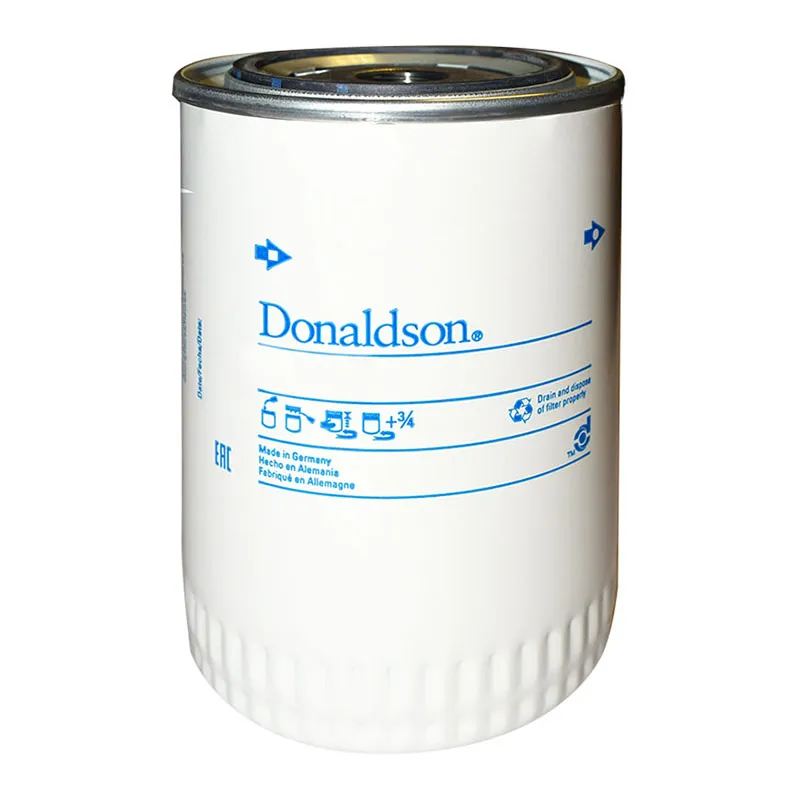
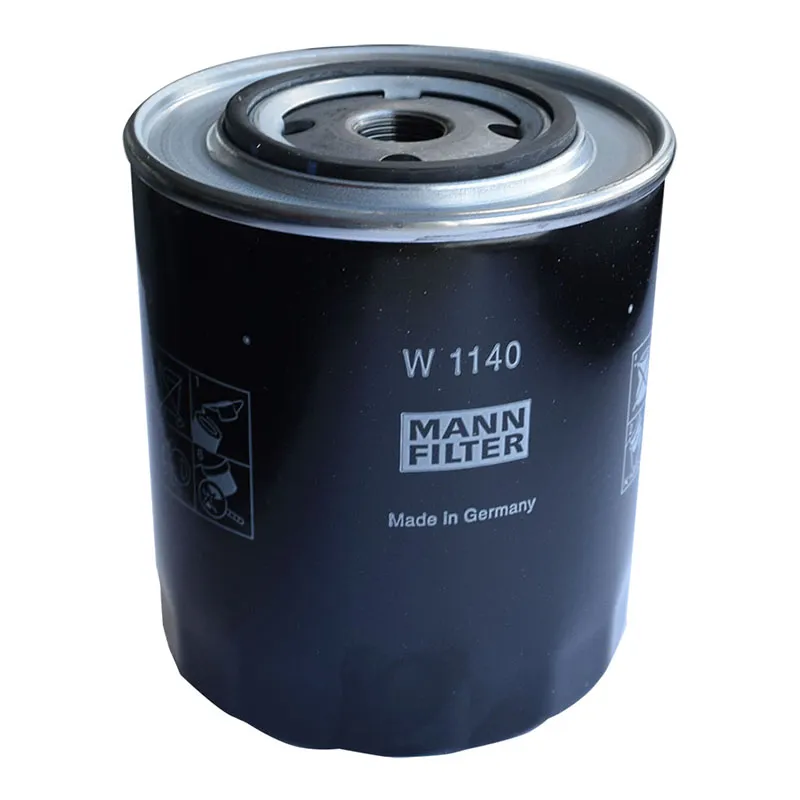
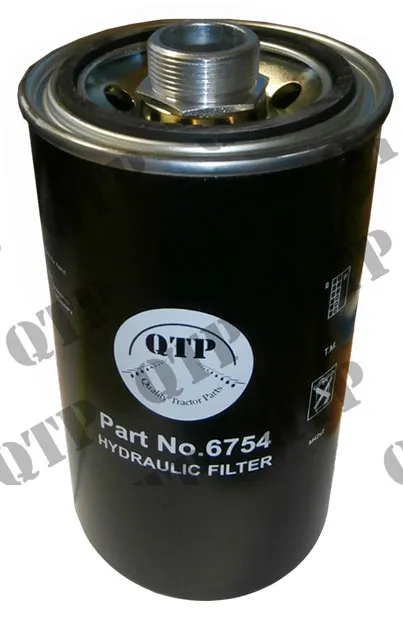
Reviews
There are no reviews yet.