
Description
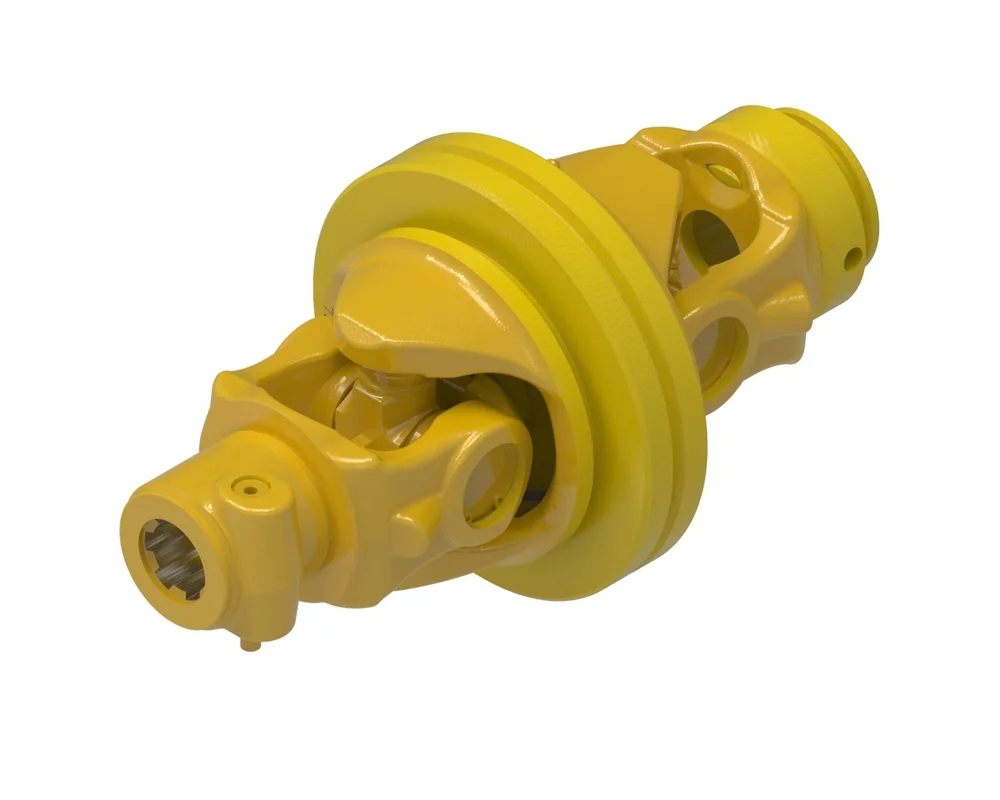
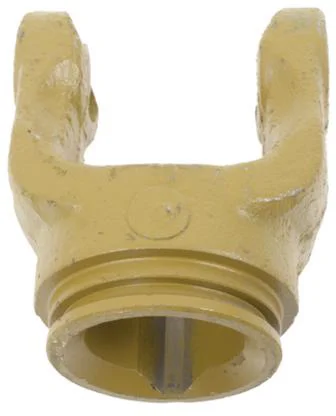
When you’re running heavy implements like balers, forage harvesters, or big rotary cutters, smooth power transfer becomes critical—especially when you’re working at angles or over rough terrain. This Category 4 CV joint handles the tough jobs where regular universal joints would bind up or wear out quickly, letting you keep working even when your PTO driveline has to operate at steep angles.
What You’re Getting
- 80-degree operating angle gives you the flexibility to work steep hillsides and rough ground without binding
- Category 4 heavy-duty construction handles high horsepower tractors and demanding implements
- Walterscheid 2480 series quality means precision engineering that lasts season after season
- 1-3/8 inch 6-spline tractor connection fits standard PTO shafts on most mid to large-frame tractors
- 40mm implement side connection provides secure attachment to compatible drivelines
Built for Real Farm Work
This CV joint is designed for tractors in the 80-150 HP range running heavy implements where smooth power delivery matters. Whether you’re baling hay on uneven fields, running a forage harvester through hilly pastures, or operating a heavy-duty rotary cutter in challenging terrain, the constant velocity design eliminates the jerky power delivery that can damage equipment and wear out operators.
Made to Last
Walterscheid builds these joints to handle the punishment that comes with agricultural work. The CV design distributes stress evenly across the joint, reducing wear points compared to traditional universal joints. Quality steel construction and precision manufacturing mean this joint will keep transferring power smoothly through thousands of hours of operation.
Good to Know
This is a half-shaft assembly designed to work with Walterscheid 2480 series drivelines with lemon-shaped profile tubing. The quick-disconnect feature on the tractor end makes hookup fast and secure. Keep the joint greased according to manufacturer recommendations—CV joints need regular lubrication to handle their wide operating angles. If you’re replacing one joint in a driveline, it’s usually smart to check the other end too, as they typically wear at similar rates.
Reviews
There are no reviews yet.