
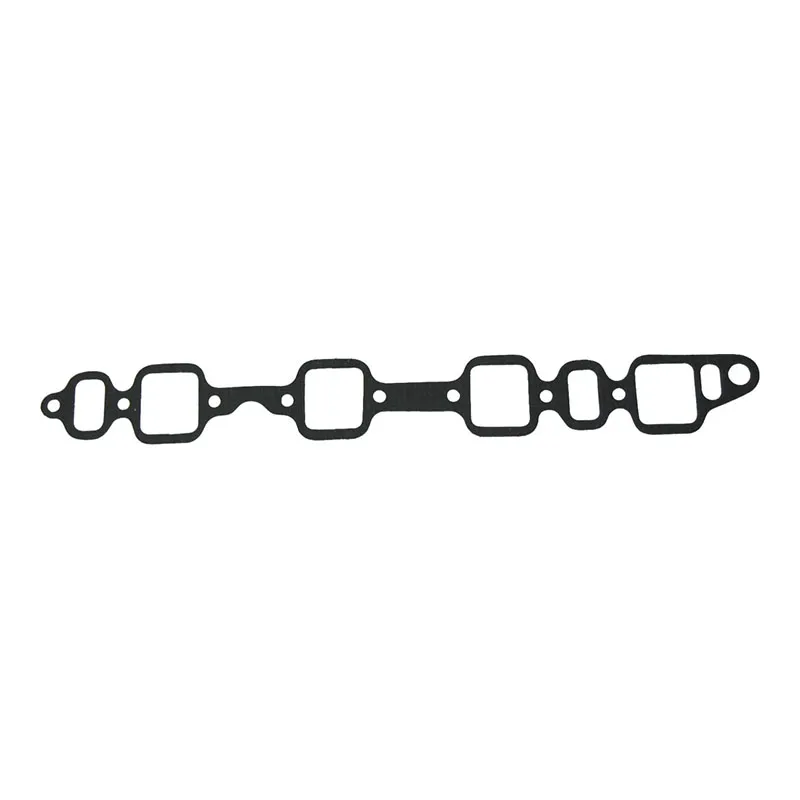
Description
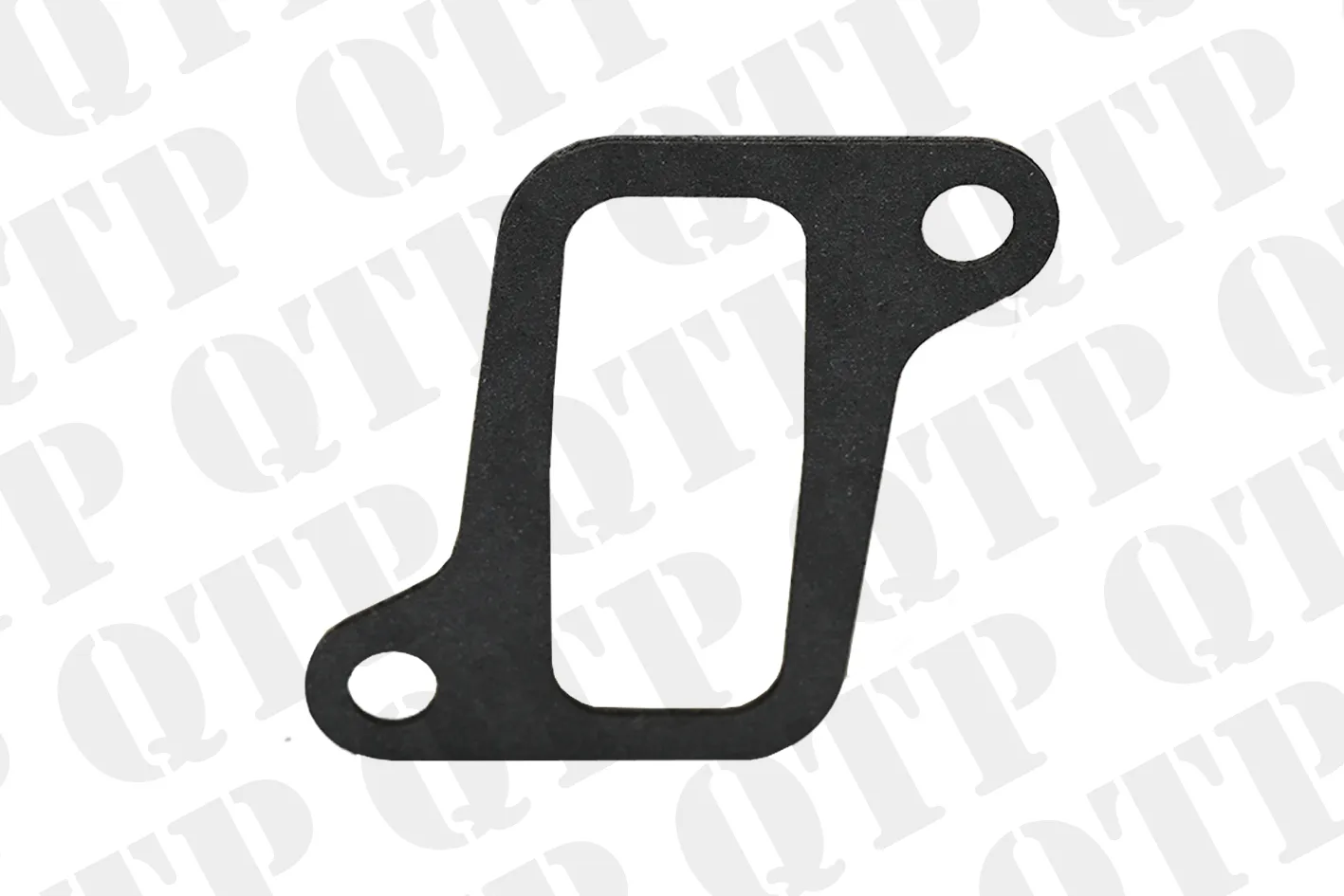
When your Ford 5000 starts running rough or making that telltale whistling sound under load, there’s a good chance your intake manifold gasket is letting unfiltered air sneak into the engine. This nasty problem causes rough idle, hard starting, loss of power, and that annoying whistle when the engine’s under load. Worse yet, it lets unfiltered air straight into your cylinders, wearing out your engine from the inside.
What You’re Getting
- Built from materials that can handle the heat cycling between cold starts and hot shutdowns without breaking down
- Perfect seal for your Ford 5000’s square air filter housing configuration
- Maintains its seal through thousands of heat cycles, keeping your engine running smooth and clean
- Direct replacement that restores proper air flow and protects your engine investment
Built for Real Farm Work
Ford 5000 series tractors were popular utility workhorses from the mid-1960s through 1970s, widely used for mixed farming operations, cultivation, hay production, and livestock management. These mid-range tractors typically operated between 55-70 horsepower, making them ideal for row crop farming, pasture maintenance, loader work, and general agricultural tasks. When you’re counting on your 5000 for everything from loader work to hay operations, a properly sealed intake system keeps you moving instead of troubleshooting.
Made to Last
Ford tractors have unique challenges with their exhaust crossover design that creates serious heat, and cheap gaskets fail quickly here, causing vacuum leaks that mess up your fuel mixture and let dirt past your air filter. This quality gasket is engineered specifically for the demanding conditions your 5000 faces day after day.
Installation Notes
Changing a manifold gasket is a decent afternoon project if you’re handy with wrenches. You’ll need to remove the air cleaner, disconnect the exhaust pipe, and unbolt the manifold – not terrible on these tractors since everything’s pretty accessible. Clean both surfaces thoroughly – any old gasket material or dirt will cause leaks. These engines are sensitive to air leaks, so take your time getting it right.
Reviews
There are no reviews yet.