
Description
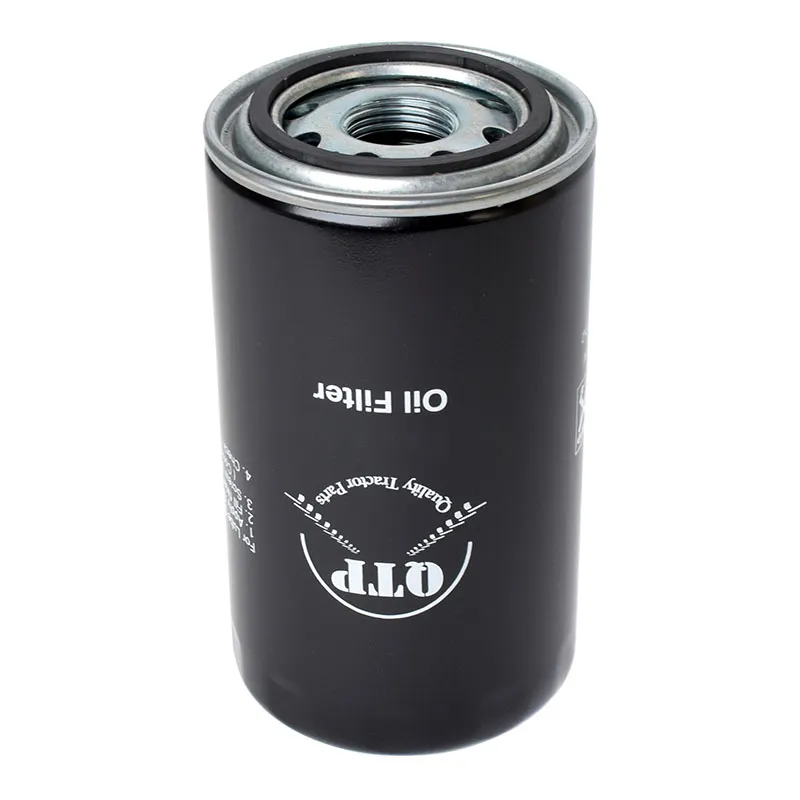
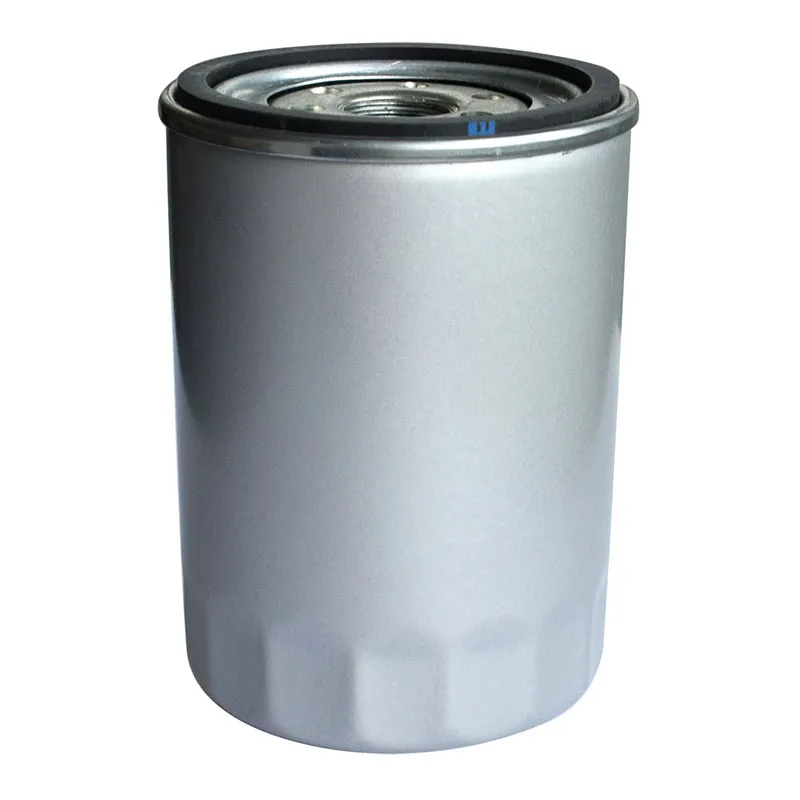
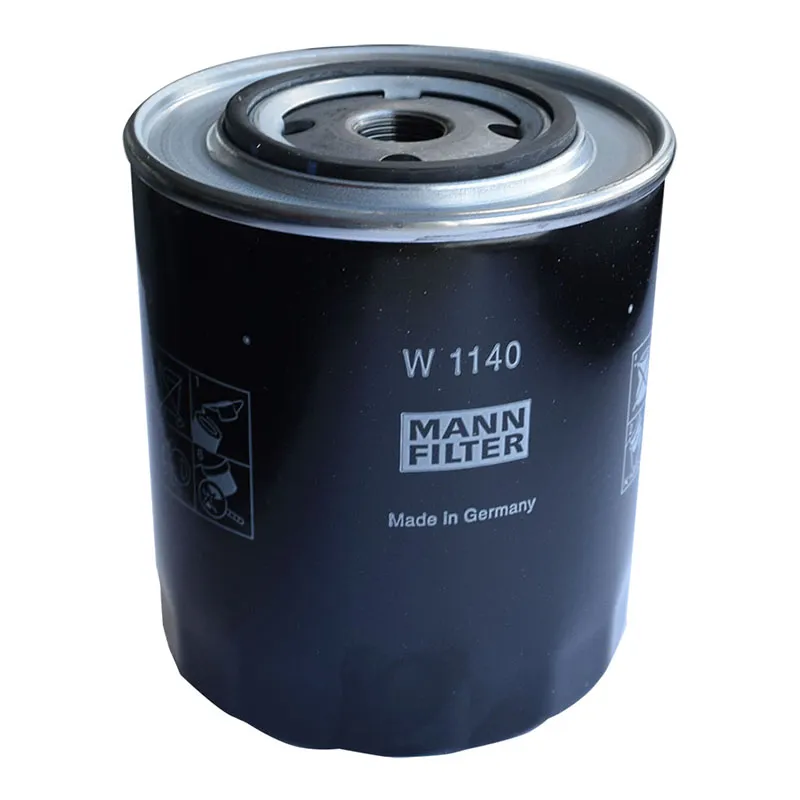
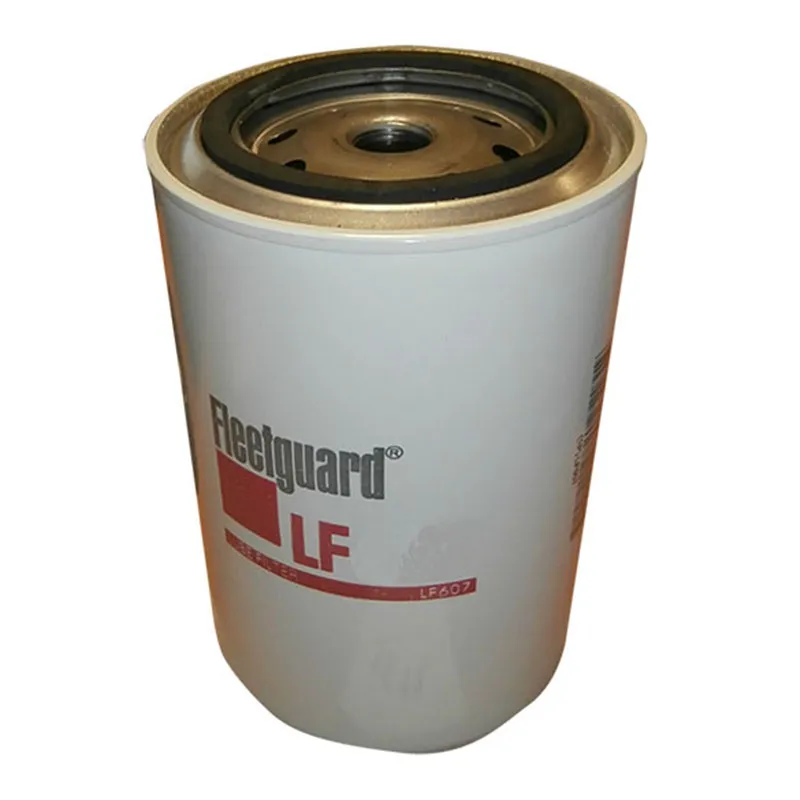
When you’ve got a full day of field work ahead and thousands of acres waiting, the last thing you want is engine problems from dirty oil. Your Ford or Case IHC tractor’s engine works hard enough without having to fight contaminated oil that’s full of dirt, metal particles, and combustion byproducts. This oil filter is your engine’s first line of defense, catching all that harmful stuff before it can turn your reliable tractor into an expensive paperweight.
What You’re Getting
- High-efficiency filtration that removes contaminants down to microscopic sizes while maintaining proper oil flow
- Anti-drain back valve prevents dry starts and the engine damage that comes with them
- Quality filter media that keeps working under the pressure and temperature swings farm engines face daily
- Direct replacement design that fits without modifications or special tools
- Replacement type construction for dependable performance season after season
Built for Real Farm Work
This filter covers an impressive range of mid to large-size tractors that handle the serious work on farms and ranches. Whether you’re running a Ford TL series for hay operations, a TLA for heavy fieldwork, a TS series for row-crop farming, or any of the Case IHC Maxxum and Puma models for everything from planting to harvest, this filter keeps your engine protected when downtime isn’t an option.
Made to Last
Farm engines deal with constant load changes, temperature extremes, and operating conditions that would destroy engines without proper filtration. This filter uses advanced media that captures particles while letting oil flow freely, and the anti-drain back valve ensures you’ve got oil pressure the moment you turn the key. Quality filtration also helps your oil stay cleaner longer and reduces the acid buildup that causes internal corrosion.
Good to Know
Always change your oil filter every time you change engine oil – trying to save a few bucks by reusing an old filter just contaminates your fresh oil. Put a thin coat of clean oil on the filter gasket before installation, and hand-tighten only after the gasket contacts the mounting surface. Don’t overtighten or you’ll damage the gasket and create leaks. Consider more frequent changes if you’re working in dusty conditions or during heavy-use periods when your engine faces maximum stress.
Reviews
There are no reviews yet.