
Description
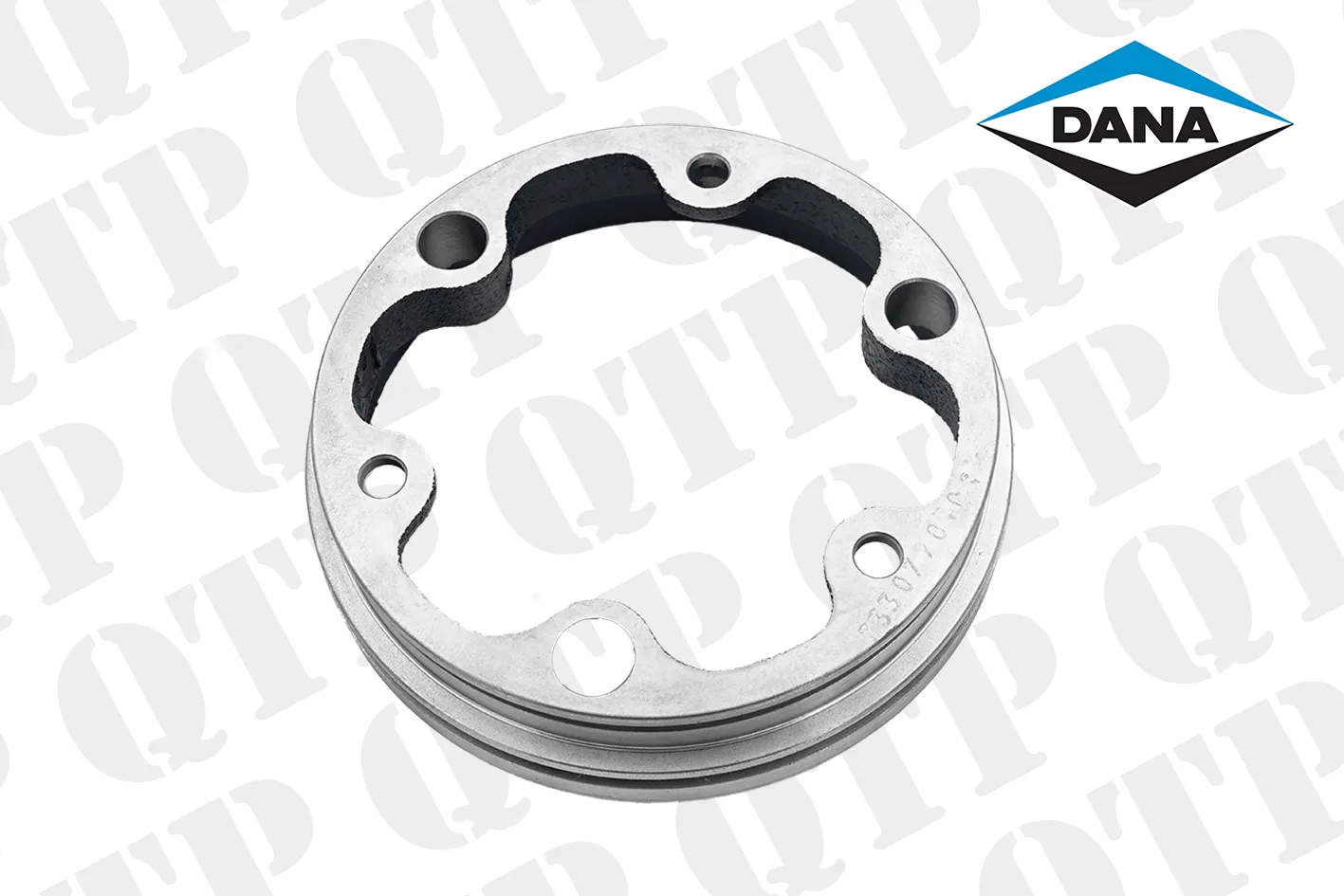
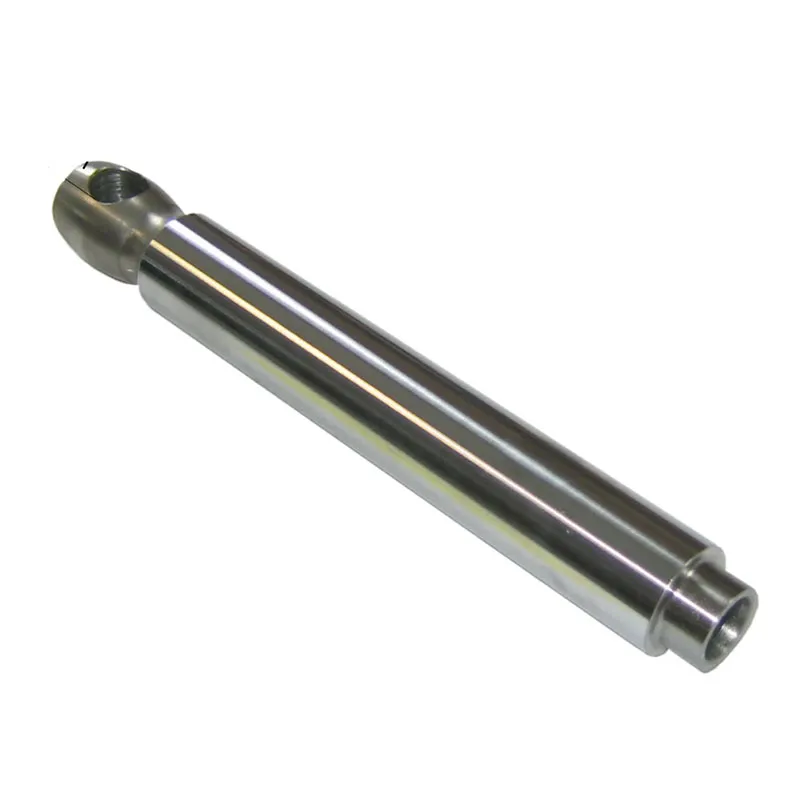
When you’re pushing your John Deere 6M or 6R through heavy loader work or rough terrain, the front axle takes a beating. This hydraulic piston is your front axle’s insurance policy—it cushions the shock loads that would otherwise hammer your bearings, CV joints, and differential into an early grave. If you’ve been feeling every bump and rock jarring through the front end, or noticed your 4WD system doesn’t respond as smoothly as it used to, this piston gets you back to smooth operation.
What You’re Getting
- Precision-engineered piston that absorbs hydraulic shock loads before they damage expensive axle components
- Acts as a cushion, absorbing those spikes before they damage pumps, valves, and mechanical components
- Built to handle the constant pressure cycles and vibration that come with real farm work
- Direct replacement that fits your existing front axle hydraulic system
- Quality construction that maintains proper pressure and cushioning ability season after season
Built for Real Farm Work
Your John Deere 6M or 6R series tractor is built for versatility, handling everything from row crop farming and hay operations to loader work and specialty implement tasks. Your 4WD system engages when conditions get tough – muddy fields, steep slopes, heavy draft loads. That’s exactly when shock loads are highest. Every bump, rock, and sudden traction change sends shock waves through the front axle hydraulics. This piston is essential for tractors doing serious loader work or operating on rough terrain.
Made to Last
This piston acts as a cushion, absorbing those spikes before they damage pumps, valves, and mechanical components. This part uses corrosion-resistant materials that maintains its cushioning ability season after season. The robust construction handles hydraulic forces while protecting the internal components from contamination. It’s engineered to withstand the punishment of daily farm use where inferior parts would fail.
Installation Notes
Always relieve hydraulic system pressure before starting work and have a catch pan ready since you’ll lose some fluid during installation. Clean the mounting area thoroughly and inspect hydraulic lines while you have access. Check that the system pressure matches specifications—too low won’t provide cushioning, too high prevents proper operation. Test your hydraulics at low pressure first to make sure everything’s working before getting back to heavy work.
Reviews
There are no reviews yet.