
Description
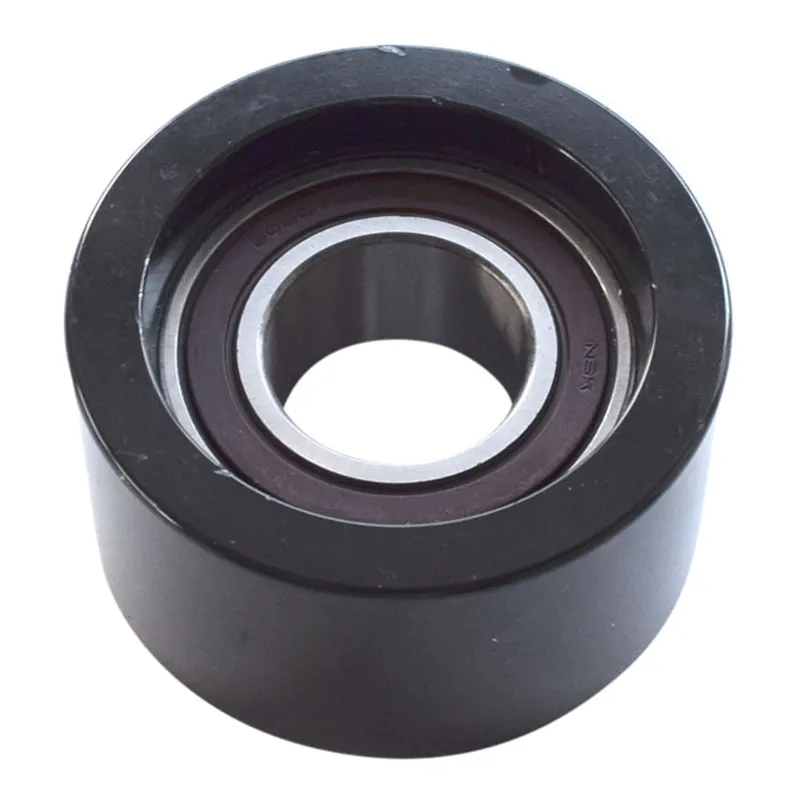
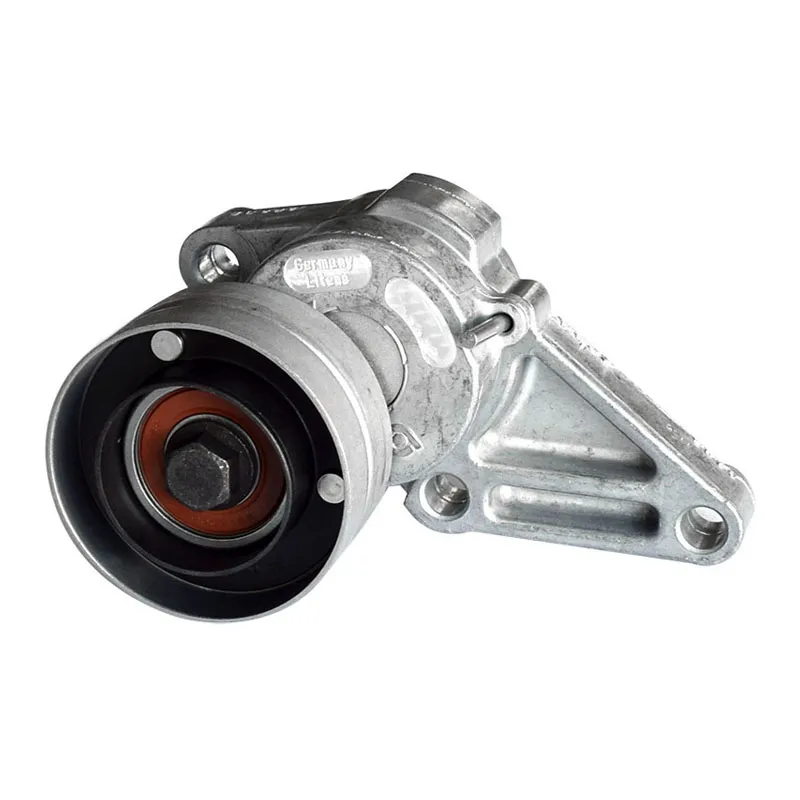
When you’re pushing hundreds of horsepower through your big John Deere and that belt starts squealing at startup or slipping under heavy load, you’re usually looking at a worn tensioner pulley. This complete tensioner assembly restores proper belt tension and eliminates those annoying noises while ensuring all your engine-driven accessories get the reliable power they need. Nothing worse than losing your alternator or hydraulics right in the middle of planting season.
What You’re Getting
- Heavy-duty internal springs calibrated to maintain optimal belt tension throughout service life with high-quality bearings that ensure smooth rotation
- Automatic adjustment mechanism that compensates for belt stretch and component wear without manual intervention
- Durable construction that resists the heat, vibration, and contamination common in engine compartments
- Maintains the precise load modern serpentine belt systems require, unlike worn tensioners that allow slip or over-tension
Built for Real Farm Work
Your big John Deere tractors in the 5000, 7630, 8000, and 9000 series represent serious horsepower for large-scale operations. Whether you’re pulling wide tillage equipment, powering through thousands of acres during planting, or handling heavy PTO work, these high-output engines generate tremendous loads on belt-driven systems. From massive alternators to hydraulic pumps and air conditioning compressors, proper belt tension keeps everything running when you need it most.
Made to Last
This tensioner features sealed bearings designed for extended service life and smooth operation under the demanding conditions of agricultural operations. The precision-manufactured pulley maintains proper belt contact without excessive wear, while robust construction resists deflection under heavy belt loads. Quality seals prevent contamination from dust and moisture that can kill bearings prematurely.
Installation Notes
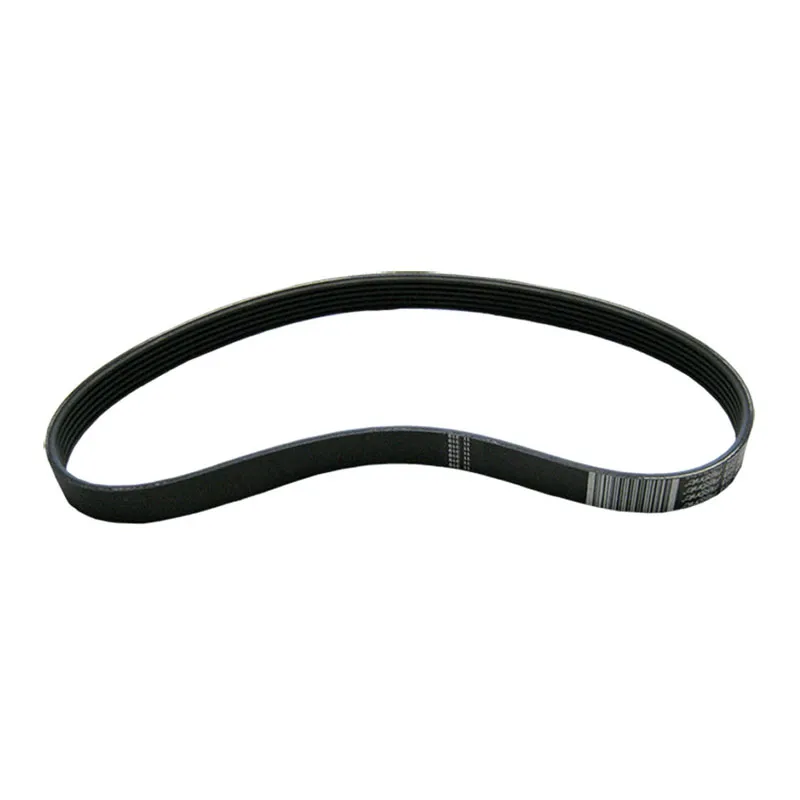
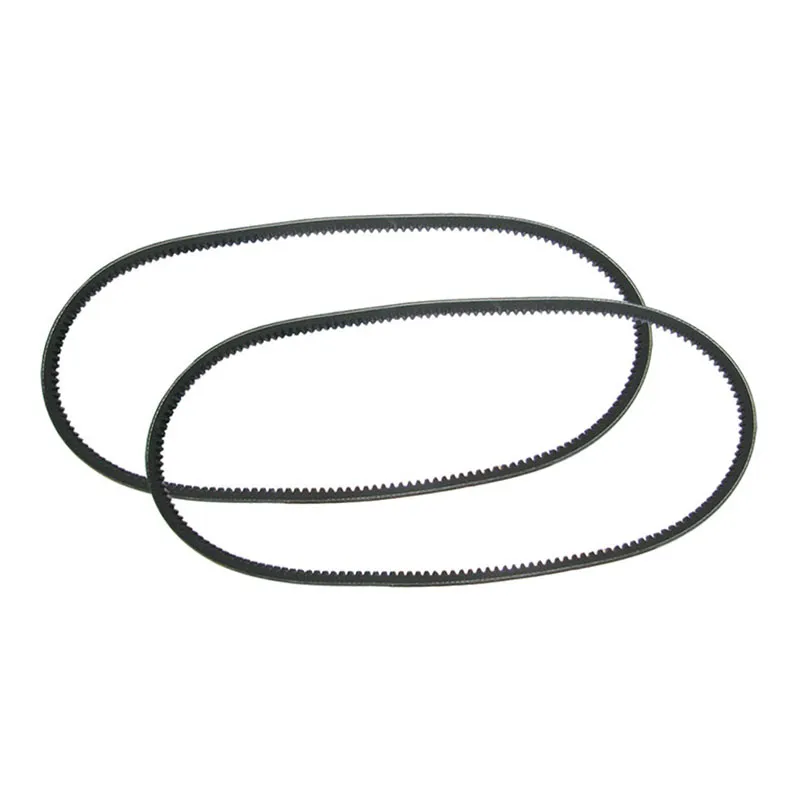
Release belt tension carefully using appropriate tools – spring tension can cause injury, and mark belt routing before removal or photograph for reference. Inspect all pulleys and accessories while belt is removed, and never pry on tensioner arm – use proper release tool. Pro tip: check belt condition since worn tensioners often damage belts requiring simultaneous replacement.
Reviews
There are no reviews yet.