
Description
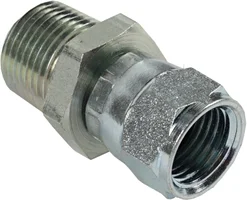
When you’re connecting different hydraulic components on your tractor or implement, you need an adapter that’ll hold pressure and keep the oil flowing where it’s supposed to go. This straight adapter bridges the gap between male NPTF pipe threads and female JIC fittings, giving you a solid connection that won’t leak or back out under pressure. It’s one of those simple parts that makes all the difference when you’re plumbing hydraulic systems.
What You’re Getting
- Heavy-duty construction rated for 5,000 PSI operating pressure – handles everything from loader circuits to remote hydraulics
- Swivel design on the JIC end lets you position hoses without binding or kinking
- Straight configuration saves space and reduces the number of fittings you need
- Standard 3/8-18 NPTF male threads and 9/16-18 female JIC threads for common agricultural applications
- 13/16″ body hex and 11/16″ nut hex make installation and removal straightforward with standard wrenches
Built for Real Farm Work
This adapter is perfect for connecting hydraulic lines on tractors, combines, balers, and other equipment where you need to join pipe thread components to JIC hose assemblies. Whether you’re plumbing a loader valve, connecting remote hydraulic outlets, or setting up auxiliary circuits, this adapter handles the job. The 3/8″ tube size is common on mid-size tractors and many implements.
Made to Last
Agricultural hydraulic systems see everything from freezing morning startups to scorching afternoon field work, not to mention the vibration and shock that comes with the territory. This adapter is built to handle those conditions with quality materials and proper thread engagement that stays tight. The 5,000 PSI rating gives you plenty of margin for typical farm hydraulic pressures.
Good to Know
Use pipe thread sealant or tape on the NPTF threads for a leak-free seal – that’s the nature of pipe threads. The JIC side uses an O-ring seal, so it’ll seal metal-to-metal without any compound. Make sure you don’t over-tighten the swivel connection – snug it up until the O-ring compresses, then maybe a quarter turn more. Keep some anti-seize handy if you’re working in muddy or salty conditions.
Reviews
There are no reviews yet.