
Description
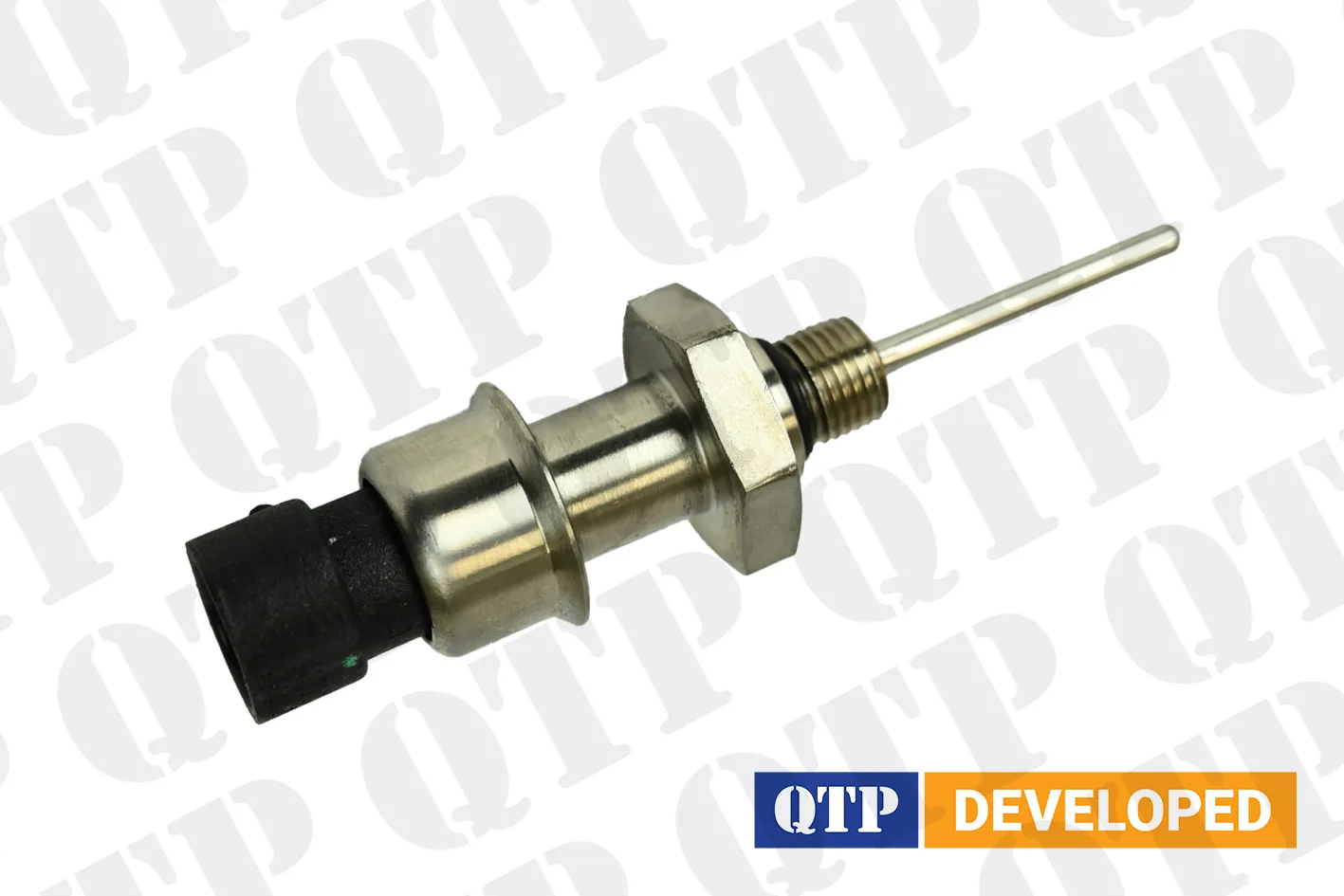
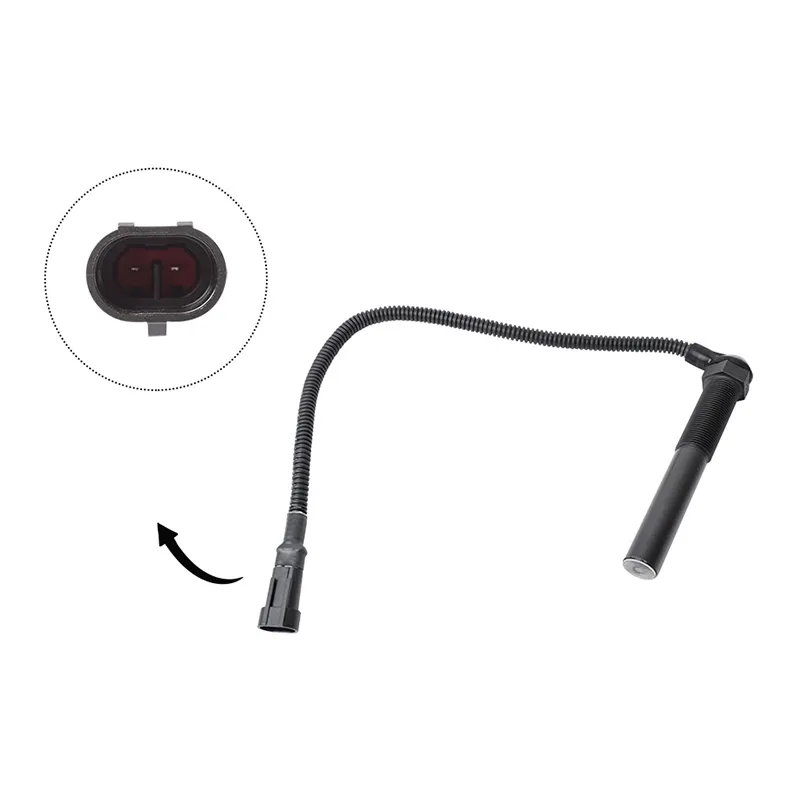
You’re rolling through a long day of fieldwork when your temperature gauge starts acting up—reading cold when the engine’s hot, jumping around like it can’t make up its mind, or just sitting there dead. When your temperature gauge starts acting like it has a mind of its own—reading cold when the engine’s hot, bouncing around like a ping-pong ball, or just sitting there doing nothing—chances are this little temperature sender is the culprit. It’s the part that tells your gauge what’s really happening with your coolant temperature, and when it goes bad, you’re flying blind on one of your engine’s most critical measurements. Don’t gamble with expensive engine damage when this replacement sensor can get you back to accurate temperature readings.
What You’re Getting
- Precise temperature monitoring that responds quickly to engine heat changes
- Direct replacement for original equipment—no modifications needed
- Built to handle the harsh conditions of engine compartments and coolant chemistry
- Reliable electrical connections that won’t corrode or fail over time
Built for Real Farm Work
This sensor fits a wide range of John Deere tractors from the utility 6030 series up through the big 9R Series four-wheel drives. Whether you’re running a 2020 on smaller jobs, working fields with a 4020, or pushing a big 4850 through harvest season, keeping an eye on engine temperature is critical when you’re working these machines hard. From pulling heavy tillage equipment to running PTO-driven implements all day, accurate temperature monitoring keeps you working instead of waiting for repairs.
Made to Last
This sender is built to handle what farm life throws at it—temperature swings from winter startups to summer heat, constant vibration from field work, and the corrosive additives in modern coolants. The electrical components resist moisture and contamination that can cause false readings or complete failure.
Installation Notes
Installation is straightforward—thread it into the engine block where the old one came out, but you’ll need to drain some coolant first to avoid a mess. Use thread sealant to prevent leaks, but don’t overdo it since excess sealant can throw off the readings. Clean the sensor mounting area thoroughly and check your wiring connections while you’re at it—a new sensor won’t fix corroded wires.
Reviews
There are no reviews yet.