
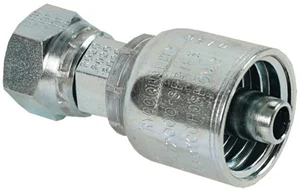
Description
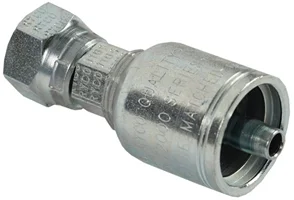
When you’re building hydraulic lines or fixing a leaky connection, having the right fitting makes all the difference between a repair that lasts and one that fails when you need your equipment most. This BSPP female crimp fitting provides a secure connection for your 3/4 inch hydraulic hose, giving you the reliable seal you need for demanding farm work. This is a crimp-on fitting that requires proper crimping equipment and dies for installation. Make sure to use the correct die size for both the fitting and hose combination.
What You’re Getting
- Internal female BSPP threads that provide a secure connection to male fittings
- Precision-machined construction built for high-pressure hydraulic systems
- Designed for 3/4 inch inside diameter hose with proper crimping attachment
- Part of the reliable T2000 series fitting family for consistent quality
Built for Real Farm Work
Parker builds these fittings to handle the tough conditions of agricultural work—pressure surges when you engage the PTO, temperature swings from morning frost to afternoon heat, and the constant vibration that comes with working ground or hauling loads. This fitting is designed for tractors, combines, skid steers, and implements that use 1/2-inch hydraulic hose in their systems. You’ll find it connecting everything from loader circuits to three-point hitch pumps and auxiliary hydraulics that power attachments like mowers, balers, and tillage equipment.
Made to Last
Hydraulic systems operate under serious pressure and face constant stress from farm conditions. The O-ring seal handles the pressure while resisting hydraulic fluid, and the swivel joint moves freely even after years of use in dusty, dirty conditions. The female BSPP threading provides a reliable connection that won’t back out under pressure or vibration.
Installation Notes
This is a crimp fitting, so you’ll need the right crimping tool and die set for a proper installation. Make sure the hose is cut square and clean before assembly. When connecting to male BSPP threads, hand-tighten first, then use a wrench to achieve the proper torque without over-tightening the threads.
Reviews
There are no reviews yet.