
Description
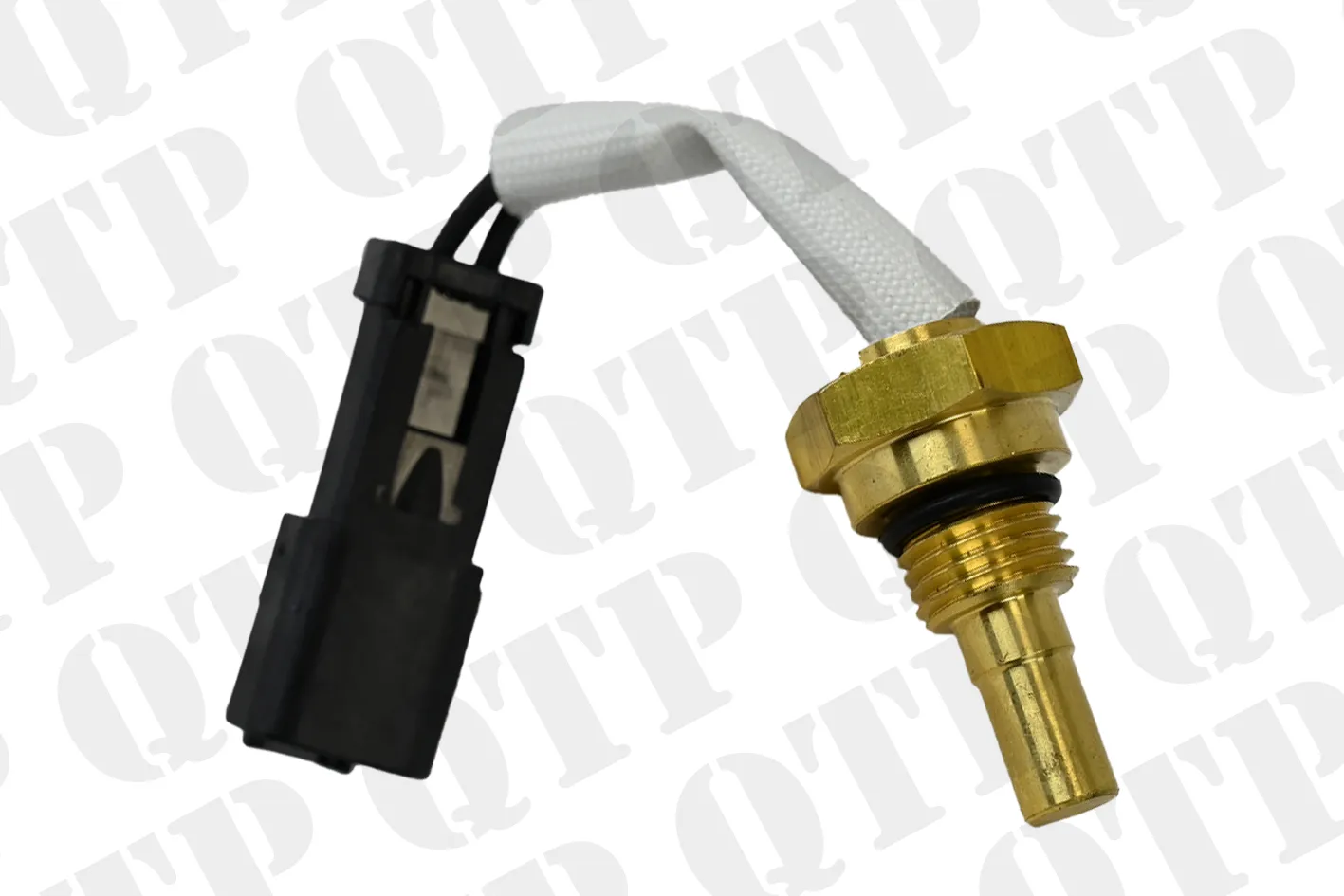
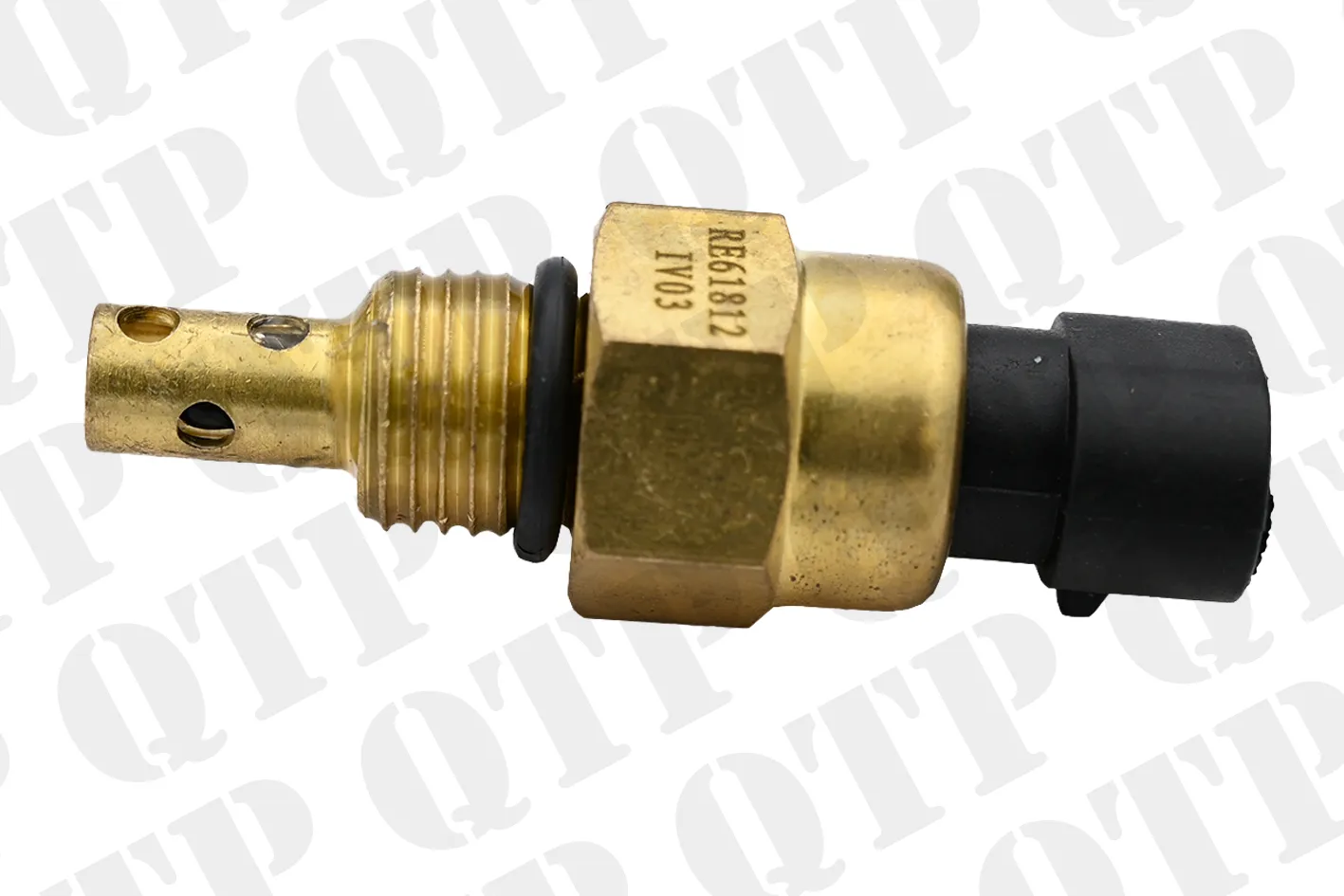
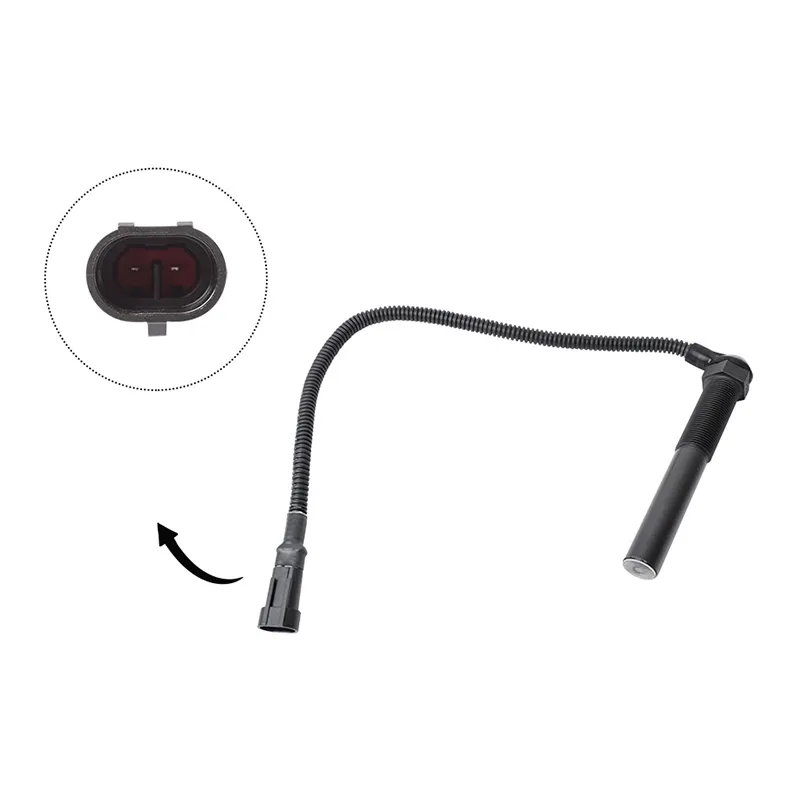
There’s nothing worse than getting caught with an overheating engine in the middle of hay season or harvest. When your temperature gauge starts acting up—reading low when the engine’s clearly hot, bouncing around, or not working at all—chances are your coolant temperature sensor has given up. These modern tractors run hotter than older machines for emissions compliance, leaving less margin for error when your temperature monitoring isn’t working right. A faulty sensor that reads low might let you cook an engine before realizing there’s a problem.
What You’re Getting
- Precisely calibrated sensor that gives you accurate temperature readings across the entire operating range
- Quick response sensing element that warns you of problems before damage occurs
- Durable construction built to handle constant temperature swings and vibration from field work
- Direct replacement design that plugs right into your existing wiring harness without modifications
Built for Real Farm Work
This sensor fits the big iron that handles the heaviest work on your operation—Case Magnum, MX, and Steiger series tractors along with New Holland TG, T8000, T9000, T8, and TJ series machines. Whether you’re pulling deep tillage equipment with a Steiger 535, running a big planter with a T8.390, or harvesting with a Magnum 340, these are the tractors that work long days when crops are ready and time matters.
Made to Last
This sensor is built to handle what farm life throws at it—temperature swings from winter startups to summer heat, constant vibration from field work, and exposure to coolant additives that can corrode lesser parts. The sensing element gives you consistent readings season after season, so you’ll know immediately when something’s not right under the hood.
Installation Notes
Installation is straightforward—thread it into the engine block where the old one came out, but you’ll need to drain some coolant first to avoid a mess. Clean the threads and check the electrical connection while you’re at it. Most temperature sensor problems show up as erratic gauge readings rather than complete failure, so don’t wait if yours is acting funny.
Reviews
There are no reviews yet.