
Description
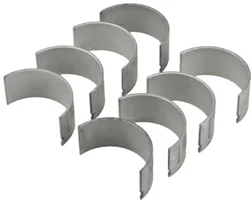
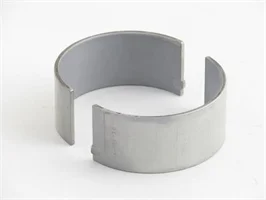
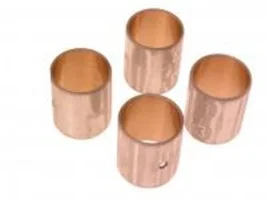
When your engine starts knocking or you hear that telltale metallic tapping that makes your heart sink, it’s usually those connecting rod bearings crying for help. This rod bearing kit puts you back on track with precision-manufactured bearings sized 0.020 inch oversized to restore proper clearances after your crankshaft has been machined. It’s the kind of repair that saves engines instead of replacing them.
What You’re Getting
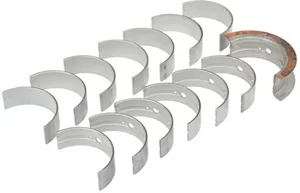
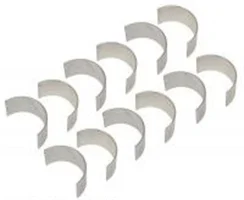
- Complete bearing kit for one complete engine rebuild with 0.020 inch oversized bearings
- Precision-manufactured bearings designed to handle the heavy loads of diesel farm work
- Direct replacement for worn bearings in AD3-152 three-cylinder Perkins engines
- Quality materials that meet original equipment specifications for long service life
Built for Real Farm Work
This kit fits the AD3-152 three-cylinder Perkins diesel engine found in many Massey Ferguson tractors. These engines powered everything from smaller utility tractors perfect for livestock operations to mid-size workhorses handling cultivation, haying, and loader work around the farm. The three-cylinder Perkins was known for its fuel efficiency and reliability when properly maintained.
Made to Last
Engine bearings take tremendous abuse in farm applications – constant high loads, dust, temperature extremes, and extended operating hours that would destroy inferior parts. TISCO builds these bearings to handle the punishment that comes with hard farm work. They’re manufactured to precise tolerances and proper materials to restore your engine’s oil pressure and eliminate that scary knocking sound.
Good to Know
This is a major engine rebuild job that requires removing pistons and connecting rods from the engine. You’ll need to have your crankshaft machined 0.020 inch undersize to use these oversized bearings – that’s standard machine shop work. Clean everything thoroughly during assembly and use proper torque specifications when installing. Check your oil pump and oil passages while you’re in there, since poor oil flow is often what caused the bearing failure in the first place.
Reviews
There are no reviews yet.