
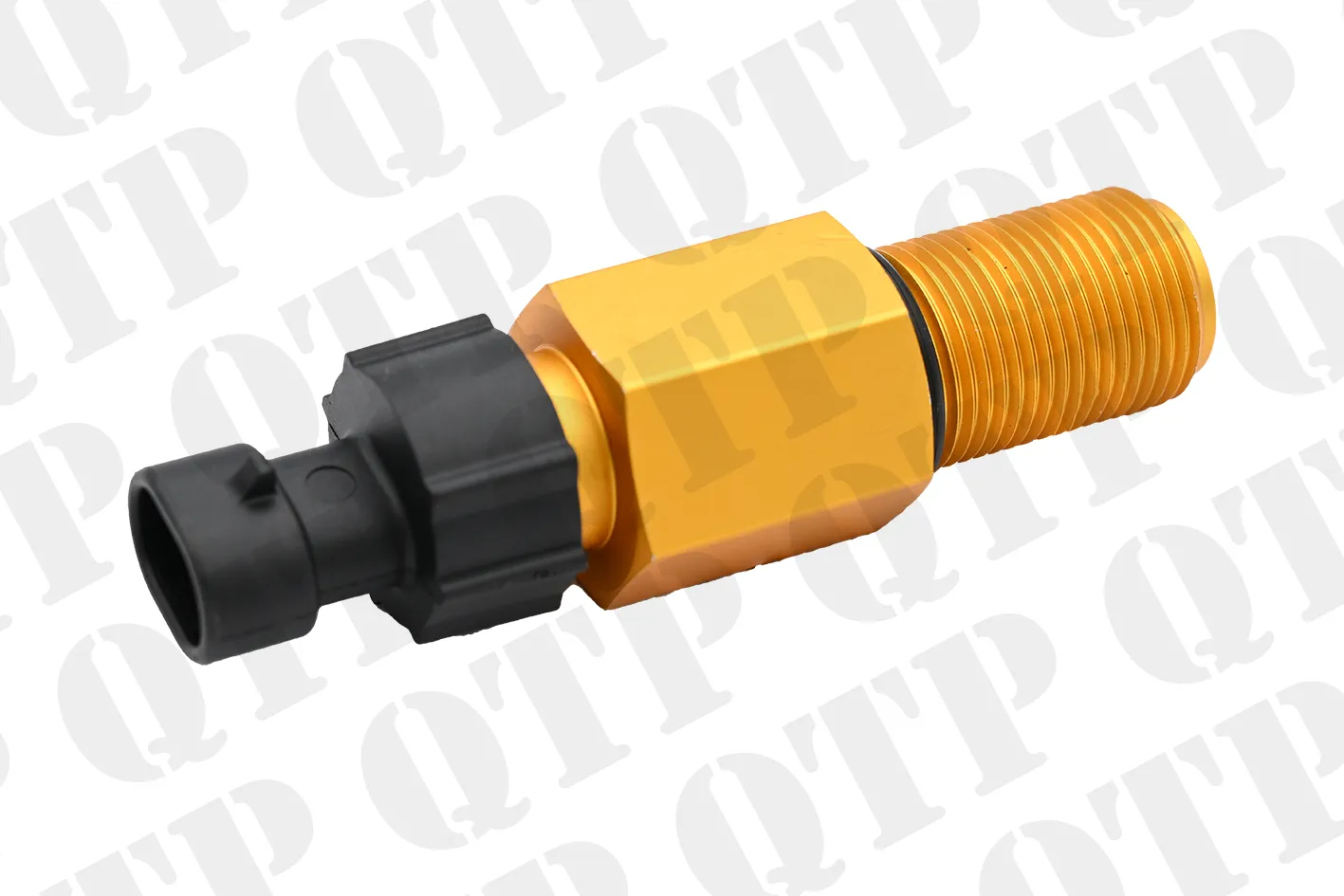
Description
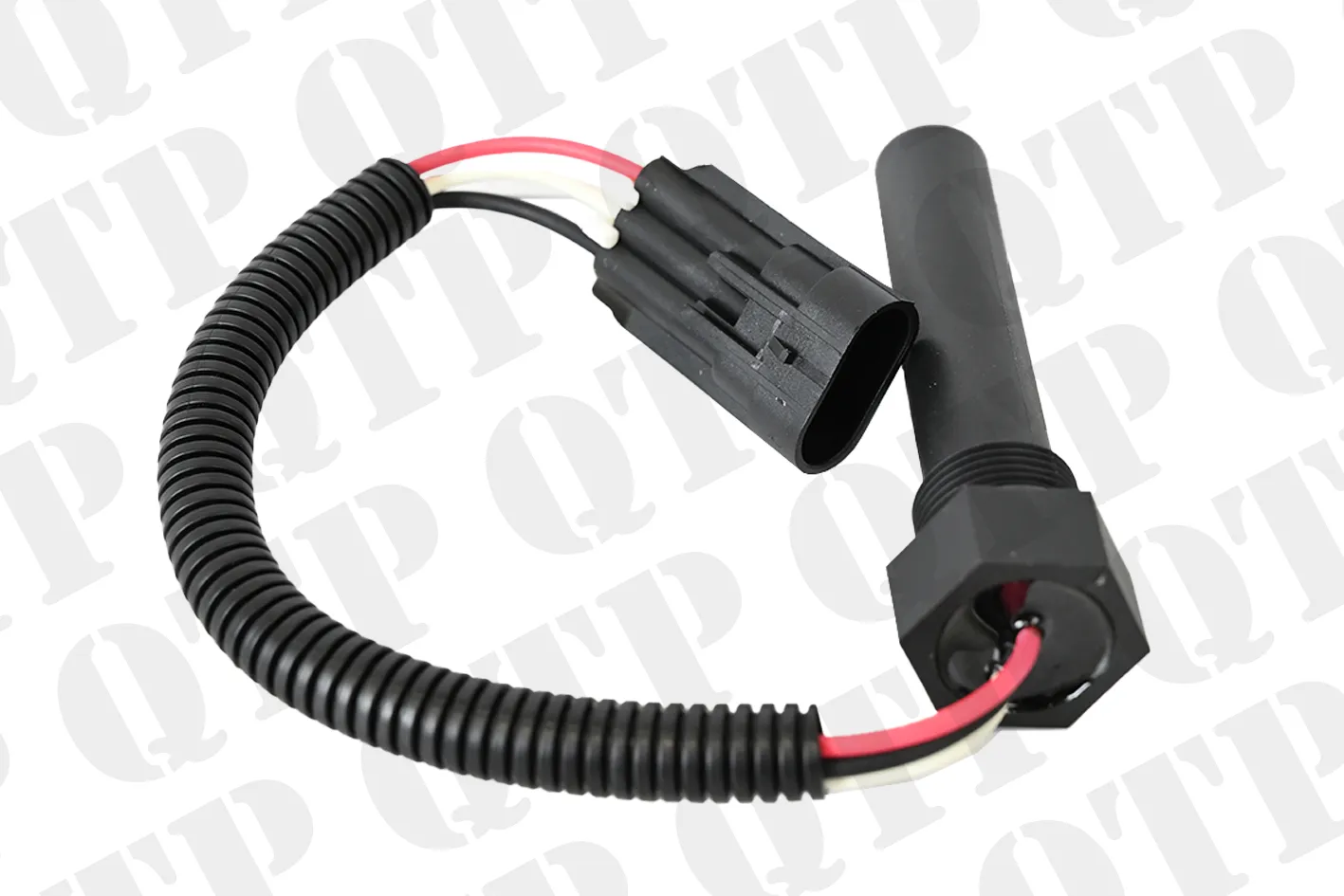
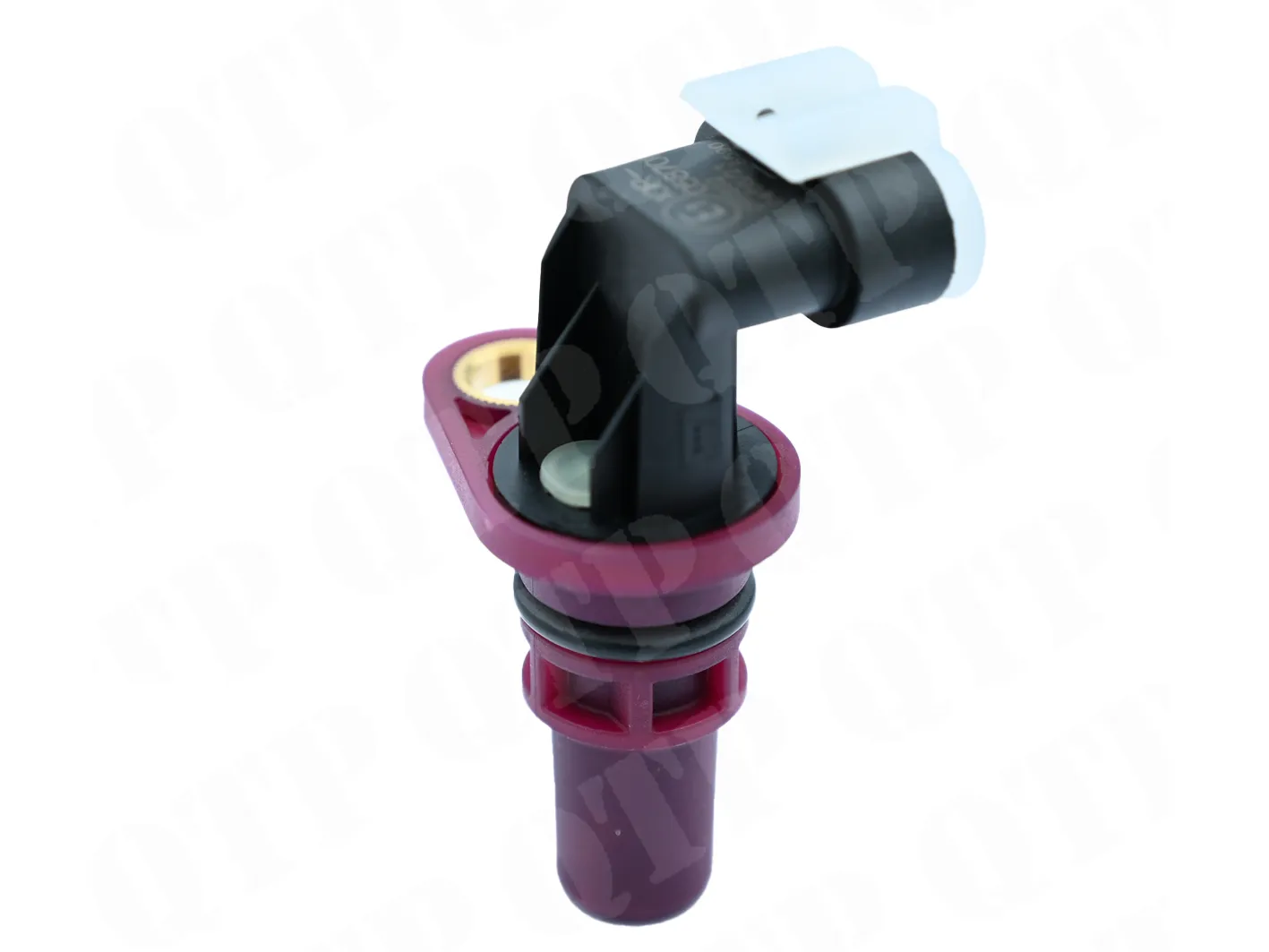
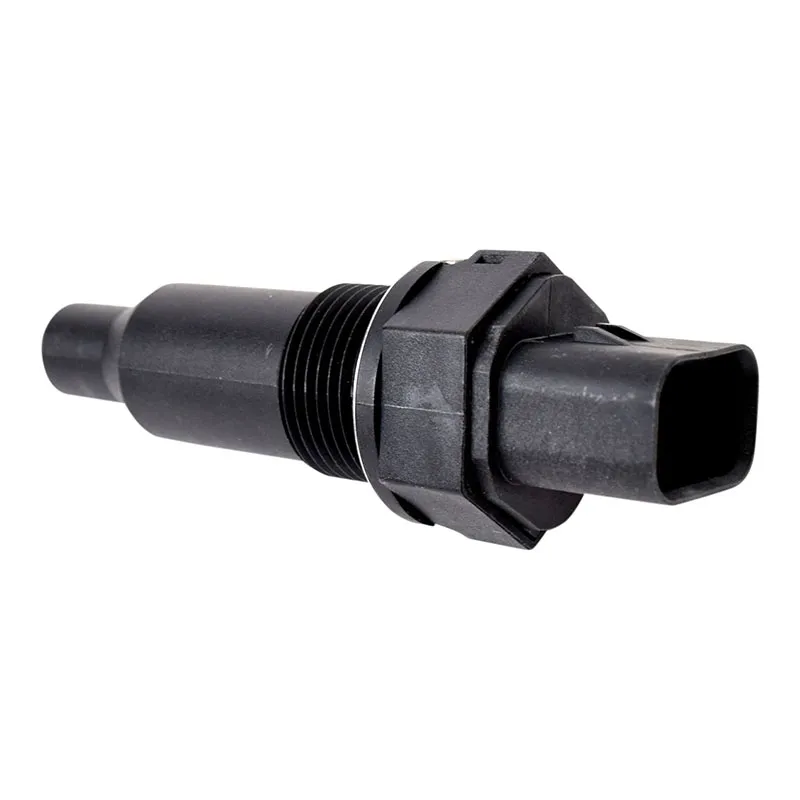
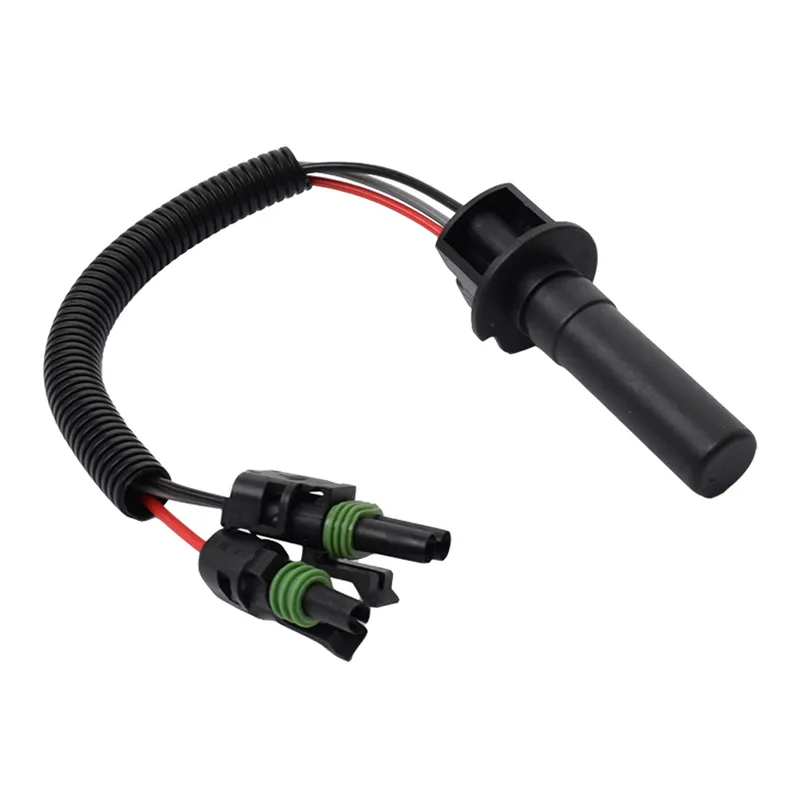
When you’re running different implements that need specific PTO speeds, your tractor’s computer has to know exactly what’s happening at the shaft. This sensor is what tells your tractor’s computer exactly how fast that shaft is spinning, enabling features like automatic PTO management, implement protection, and precision application rates. If your speed readings are acting up or you’re getting PTO-related fault codes, this dual-speed sensor gets your big horsepower tractor back to managing both 540 and 1000 RPM operations like it should.
What You’re Getting
- Precise dual-speed monitoring for both 540 and 1000 RPM PTO operations
- Electronic sensor that feeds accurate speed data to your tractor’s computer systems
- Durable construction that handles the harsh environment near the PTO shaft
- Direct replacement that restores factory-level PTO speed monitoring
- Essential component for ISOBUS implements and automated PTO functions
Built for Real Farm Work
These sensors fit the big-horsepower tractors that handle serious fieldwork—from New Holland’s TG series utility tractors through the T8 row-crop machines, plus Case’s workhorse Magnum and MX series. Whether you’re running a large square baler that demands exactly 540 RPM or powering a high-capacity manure spreader that needs consistent 1000 RPM, this sensor makes sure your tractor knows what speed you’re asking for and delivers it reliably.
Made to Last
PTO speed sensors live in a harsh environment – exposed to weather, vibration, and potential impact from debris. This replacement sensor features robust construction that seals out moisture while maintaining precise electronic function. The sensor housing protects the electronics from oil mist and dirt while the wiring maintains solid connections even with constant vibration from heavy PTO loads.
Installation Notes
This sensor mounts near the PTO shaft where access can be tight, so having the right tools makes the job easier. Disconnect the battery before starting and clean the electrical connector thoroughly. The sensor needs proper positioning relative to the tone wheel for accurate readings—if you’re getting erratic speed readings after installation, check the sensor gap and make sure there’s no debris on the tone wheel.
Reviews
There are no reviews yet.