
Description
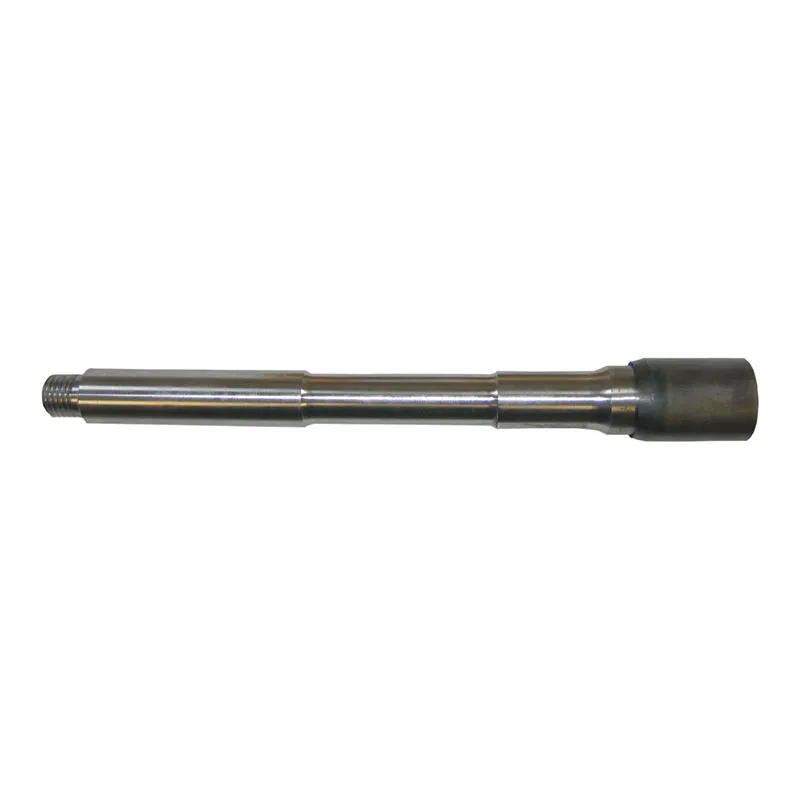
When your MF 50 series machine starts losing hydraulic power or that pump begins making noise, there’s a good chance it’s the drive shaft trying to tell you something. When your Massey Ferguson 50 series machine loses hydraulic power or the pump starts making noise, a worn drive shaft is often the culprit. This precision-manufactured drive shaft connects your engine to the hydraulic pump, transferring power to run your loader, backhoe, or other hydraulic attachments. Don’t let a worn shaft leave you stuck when there’s work to finish.
What You’re Getting
- Precision-machined 355mm length with 14-spline design that eliminates slippage and keeps everything aligned properly
- Heavy-duty construction built to handle the constant torque loads these industrial machines dish out
- Proper hardness and finish that resists wear even after thousands of operating hours
- Direct replacement that drops right in without modifications or headaches
Built for Real Work
This drive shaft fits the entire Massey Ferguson 50 series industrial lineup, including the 50B, 50D, 50H, and 50HX models. These are the compact utility machines you see everywhere – from construction sites and landscaping operations to farm work like barn cleaning, material handling, and general utility tasks. Whether you’re running a loader for moving feed or a backhoe for drainage work, this shaft keeps your hydraulics working when you need them most.
Made to Last
Your hydraulic pump drive shaft spins constantly when the engine runs, transferring significant torque under all kinds of conditions. The 14-spline design provides positive engagement without slippage, while the precise 355mm length ensures proper alignment between your engine and pump. Quality materials and manufacturing prevent the premature wear that could leave you without hydraulic power right in the middle of a job.
Installation Tips
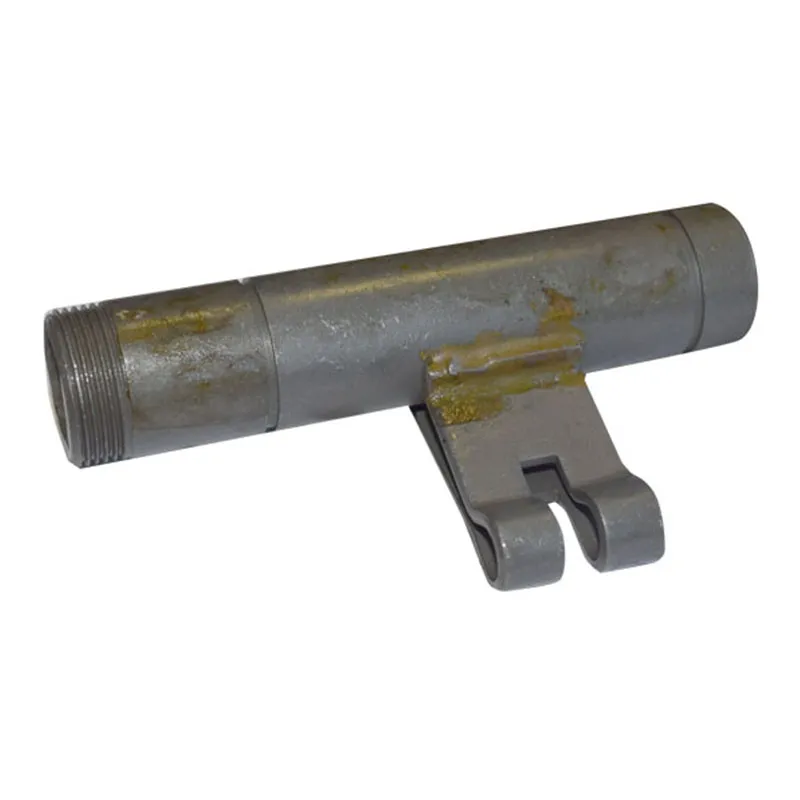
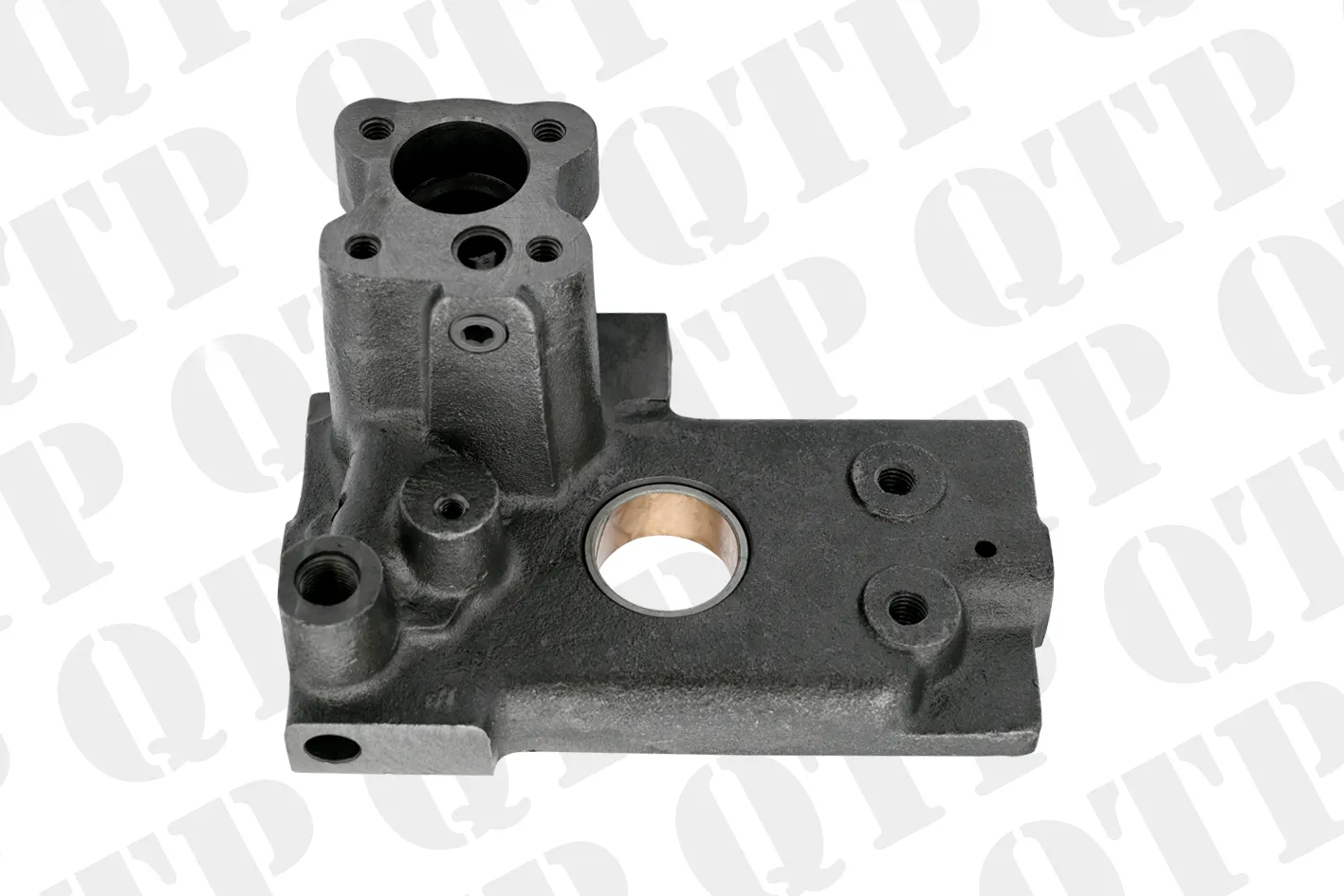
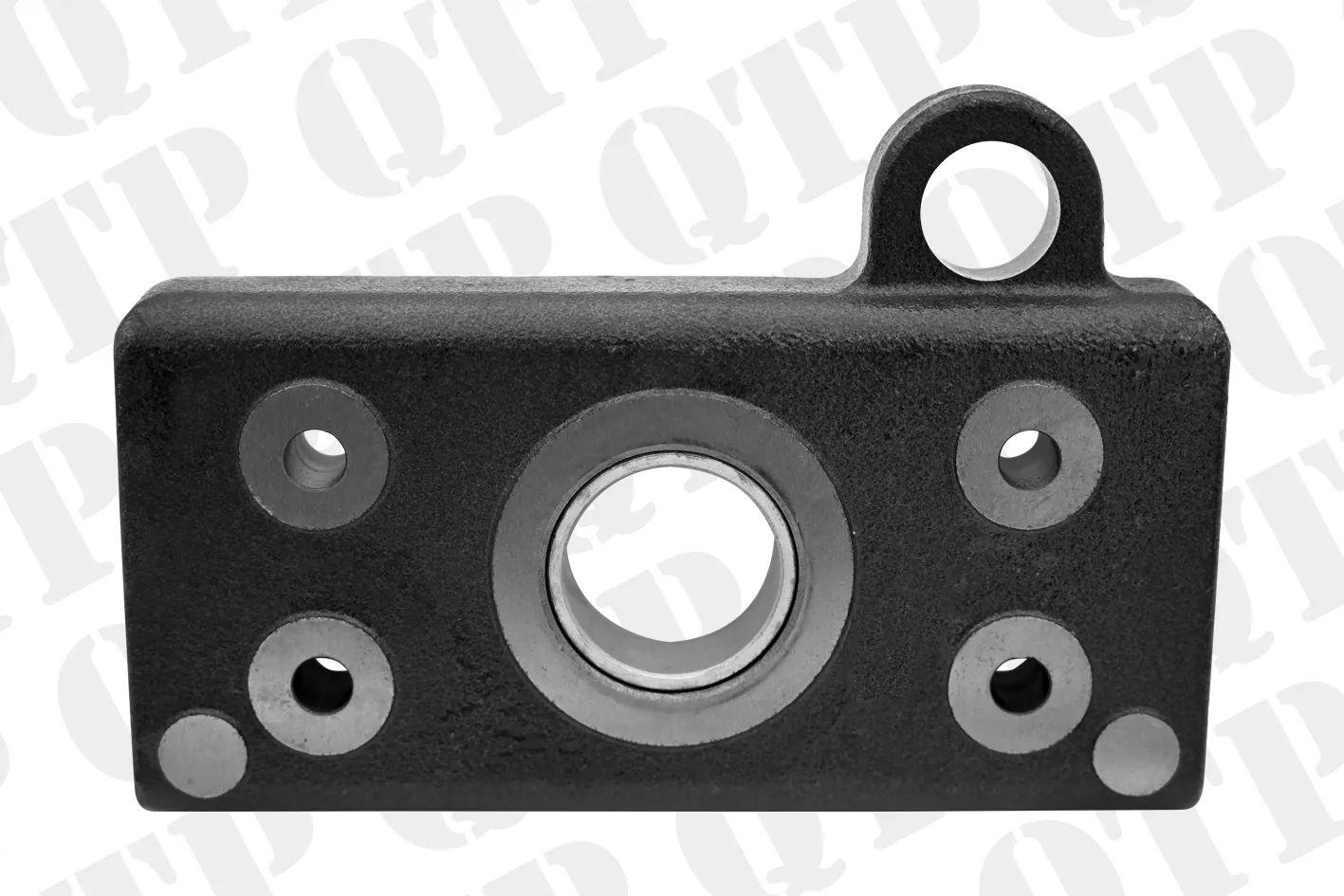
This shaft works with related components including the front pulley plate, hydraulic pump, and pulley plate bushing. When replacing the drive shaft, it’s smart to inspect these related parts for wear since they all work together. The job requires basic mechanical skills and standard tools, but you’ll want to drain the hydraulic system first. A good time to replace this is during scheduled maintenance rather than waiting for it to fail when you’re busy.

Reviews
There are no reviews yet.