
Description
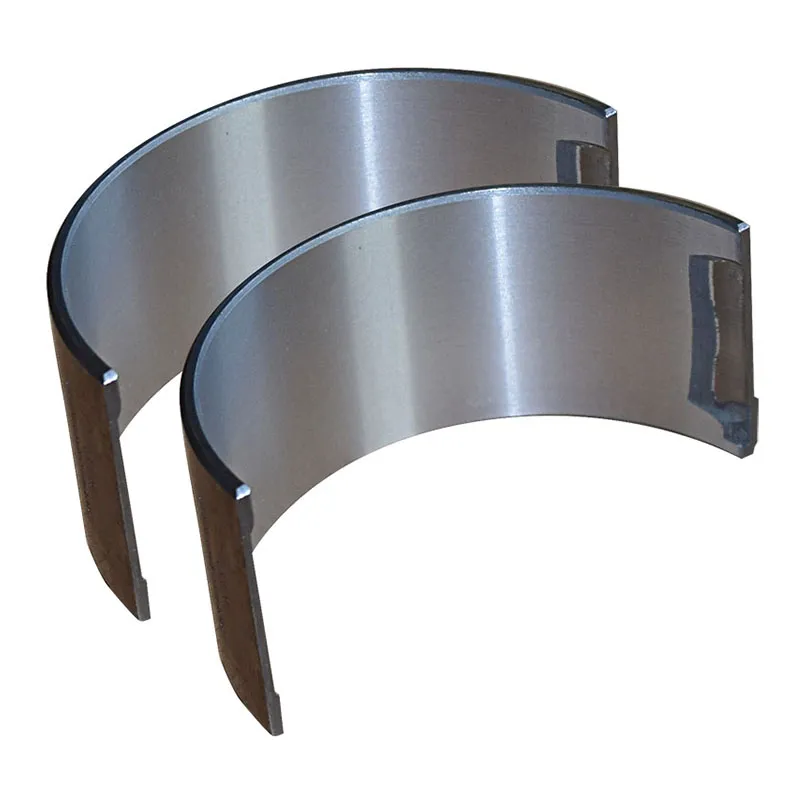
When your tractor starts knocking or you’re rebuilding the engine after years of hard work, these connecting rod bearings are essential for getting your Case IH machine back to reliable operation. These big end bearings connect the pistons to the crankshaft, taking tremendous loads every time the engine fires. If you’ve noticed that telltale knock when the engine’s under load, it’s time to replace these critical components before you’re looking at major crankshaft damage.
What You’re Getting
- Precision-manufactured connecting rod bearings designed for demanding agricultural engine applications
- Heat-treated materials that handle the constant stress of heavy draft work and long operating hours
- Proper clearances that ensure adequate oil flow while maintaining tight tolerances for quiet operation
- Complete pair – both upper and lower halves needed for each connecting rod assembly
- Quality construction that meets the durability standards your Case IH engine was built for
Built for Real Farm Work
These bearings fit a wide range of Case IH utility and row-crop tractors from the smaller 400 series models up through the powerful 1000 series machines. Whether you’re running a 585 for hay and livestock work, pulling a planter with an 844, or handling heavy tillage with a 1055, these engines work hard season after season. From cultivation through harvest, these bearings keep your connecting rods properly positioned and your engine running smooth under the varying loads of farm work.
Made to Last
Engine bearings in agricultural applications face extreme conditions – dust, heat, varying loads, and extended operating hours that would challenge any automotive engine. These bearings use advanced bearing materials and precise manufacturing to handle the unique demands of farm tractors. The bearing material provides excellent wear resistance while maintaining the oil film that protects your crankshaft investment.
Installation Notes
Connecting rod bearing replacement is part of a complete engine overhaul – you’ll want to check crankshaft journals with a micrometer and ensure proper clearances before assembly. When installing, follow proper torque specifications and use the recommended bearing installation sequence. A good tip: if you’re doing this work, it’s smart to replace all the main bearings at the same time since they’ve seen the same hours and conditions.
Reviews
There are no reviews yet.